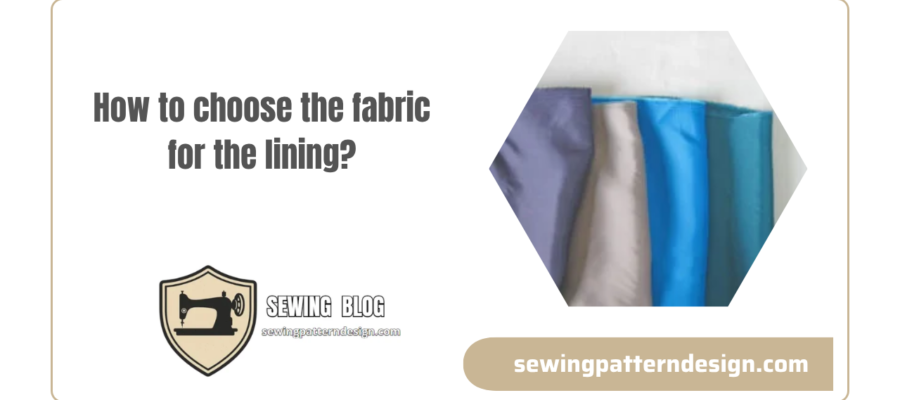
The lining is a very important element of clothing, although it is often underestimated, and contrary to what it seems, the choice of fabric for the lining is very important. A well-chosen material can do wonders for clothes. A lining is a layer of fabric used to finish the inside of a garment. Often this is a separate material sewn across the entire surface of the garment. The linings protect the garment from wear and tear, provide comfort and prevent fading. There are different types of linings such as: polyester, silk, cotton or satin.
Types of coatings
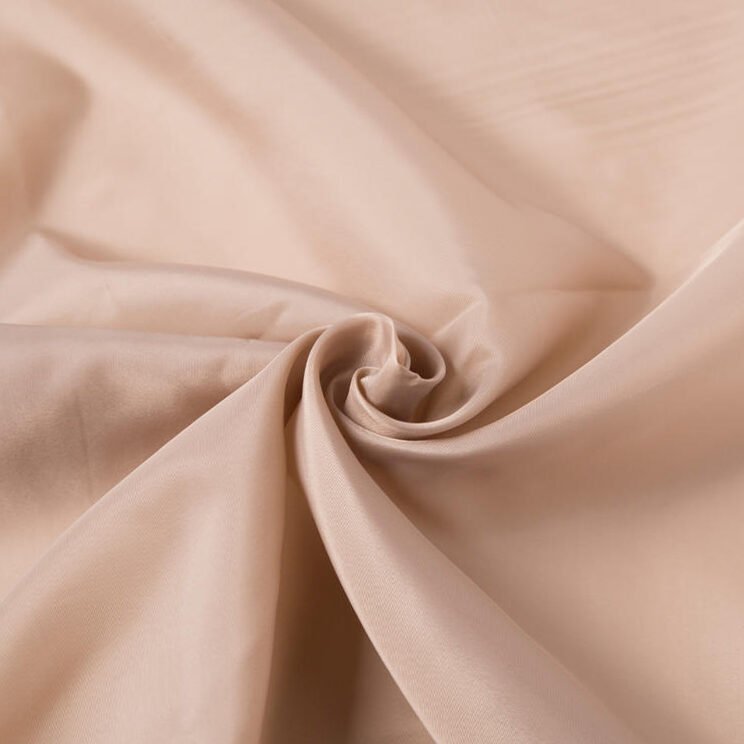
Liners come in many different types and each has its own unique properties that affect the performance, comfort and appearance of the garment.
Polyester lining is the most commonly used type of lining due to its durability, affordability, and ease of maintenance. It is resistant to wrinkles, stretching and shrinkage, making it a practical choice for everyday wear.
Silk Lining: This type of lining is more luxurious and gives a soft and silky feel to the skin. Silk linings are lightweight and breathable, making them an ideal choice for summer clothing. However, they require particular attention and are more delicate than other types of coverings.
Cotton lining: This type of lining is durable, breathable and easy to maintain. It is often used in casual clothes such as denim jackets or summer dresses.
Viscose Lining: Viscose is a synthetic fiber that mimics the look and feel of natural fibers. Viscose linings are soft, comfortable and drape beautifully, making them a great choice for formal wear.Satin lining: Satin is a smooth, shiny fabric that gives garments a luxurious feel. Satin linings are often used in formal dresses, such as wedding or evening dresses.
Supervision
To care for your pads, it’s important to check the label for instructions on how to clean and care for them. Some linings, such as silk or viscose, require dry cleaning, while others are machine washable. Always use a mild detergent and avoid fabric softeners as they can damage the cover. To avoid creases, hang the garment on a soft hanger or fold it carefully and store it in a cool, dry place.
how to choose a lining?
The type of lining you choose depends on your clothing type, budget and personal preferences. When choosing a lining for sewing a coat or jacket, it is important to pay attention to several things. First, pay attention to the type of fabric your clothes are made of. If your garment is made of wool or cashmere, it is better to choose a silk or polyester lining. If your coat is made of nylon or polyester, a cotton or satin lining might be a good choice.
It is also important to choose the right thickness of the coating. A lining that is too thin may not provide enough protection from the cold, while a lining that is too thick may make the garment uncomfortable to wear. It is best to choose a lining that is similar in thickness to the fabric itself.Liners should not only be used in coats and jackets. You can also use them in other sewing projects such as dresses, skirts, jackets. Choosing the right lining can improve the look and functionality of your garment.
Poorly chosen facing material
Here are the effects of poorly chosen material on the coating: Excessive Sweating – If the lining does not absorb or absorb moisture, it can cause excessive sweating, which causes an unpleasant feeling of humidity.
Damage to clothing – Incorrectly chosen lining can cause friction between them. and the outer material of the garment, which causes damage, abrasions and even tears.
Lack of elasticity – If the lining is not elastic enough, it can limit your freedom of movement Thermal problems – Inadequate lining can cause the body to overheat or cool if it does not provide adequate thermal insulation.
Sensitized skin – Some lining materials can cause skin irritation or allergic reactions which can lead to unpleasant skin conditions or conditions.
Poor finish – If the lining is not carefully finished or coordinated with the color and style of the outer material, it can affect the aesthetics of the garment and make it look ugly.
Therefore, it is important to choose the right lining materials that fit the type of clothing and conditions of use.
Latest posts
How to wash, dry and care for bedding?

Curtains are an exclusive highlight of home interiors
Restless children’s sleep
Satin care: tips and guidelines
Why are satin bedding sets so popular?
Home textiles for sensitive skin
How to choose a dress model?
Baby blankets: why are they important and how to choose them?
Herbs: Natural Ways to Improve Sleep