Are you looking for yarns for your knitting, but you still can’t decide which ones are best for you? Or maybe you’ve never wondered what the difference is between synthetic, vegetable and animal threads? If you’ve recently started knitting, these questions may be confusing, but we’re here to help you understand what the differences are between these types of yarn and how to decide which one is best for you.
Knitting yarns are made up of different fibers and materials that have unique properties. You can choose from natural or synthetic fibers, which vary in price, texture and uses.
Natural yarns are produced using plant and animal materials. Animal yarn fibers are particularly suitable for warm winter knitwear due to their excellent insulating properties, but they are not suitable for vegans and may cause itching in some people.
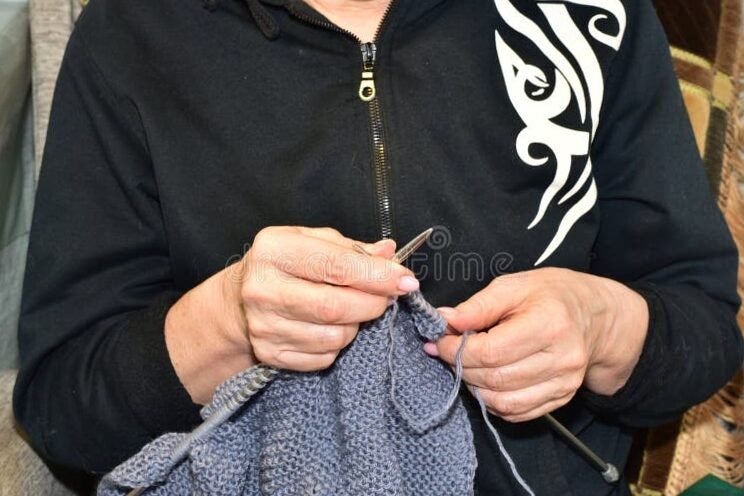
Organic plant fibers like cotton and silk are not as warm as animal-based alternatives, but they are often more breathable, moisture-wicking, and hypoallergenic.
Here is a list of common types of natural thread and their pros and cons.
- Threads of animal origin:
Wool threads:
The advantages: a very large choice (usually you can find several types and options), warm, breathable, good insulation. The threads are resistant, elastic and easy to maintain.
Disadvantages: can cause itching and allergic skin, the fabric of such threads will tend to «boil» more often.
The most common types of wool
Merino wool: extremely fine wool obtained from Merino sheep. It is one of the softest types of wool, prized for its texture, breathability and versatility. This wool itches less than usual.
Shetland wool: comes from sheep living in the Scottish Shetland Islands. It is soft, shiny and thicker than merino wool. Great for sweaters, but can cause itching if worn next to bare skin.
Alpaca yarn:
Benefits: Durable, Warm, Soft, Luxurious and Hypoallergenic.
Disadvantages: they are quite easy to pill, they are expensive, over time a product made from alpaca yarn may lose its shape.
Alpaca wool can be lighter or heavier depending on how it is spun. It does not contain lanolin, so this wool thread is hypoallergenic. However, we do not recommend alpaca knitting yarn for people with extremely sensitive skin, as it can cause itching.
Mohair yarn:
Advantages: fluffy, warm and soft. The threads are durable, strong, shiny and elastic.
Cons: More expensive than regular wool, can irritate skin, soft texture of yarn can cause knitting difficulties.
This type of thread is very elastic and easily maintains its original shape, but is usually quite expensive. They can be difficult to work with (due to swelling), difficult to create clear stitches. For this reason it is best to knit mohair yarn with non-textured knitting needles.
Cashmere yarn:
Advantages: Non-irritating, luxurious, soft, softens when worn, warm and well insulating.
Disadvantages: expensive pure cashmere threads are quite rare, weaker than other animal fibers, fabric made from these threads can tend to «boil».
These unique yarns are delicate and soft. They are pleasant to the touch, so cashmere threads are perfect for clothes that will be worn next to the skin, for example: scarves, children’s clothes.
Angora yarn:
Advantages: Much warmer than sheep’s wool threads. They are very soft, fluffy, have fluff around them and are shiny. Does not absorb odors.
Cons: very expensive, slippery (can be difficult to work with), greasy.
These yarns are warmer than wool yarns, but their price is similar, sometimes even higher, than cashmere.
Llama wool yarn:
The advantages are light (if we compare with yarns that generate a similar amount of heat), they do not contain lanolin, so they are suitable for people with allergies, they are warm and retain heat well.
Cons: these threads are rather rare and not very elastic.
Llama wool comes in two types: made with inner fur and outer fur. The outer coating produces a coarse, thick fiber, usually used for ropes. The inner fur is much softer, so knitting thread is usually spun from this fur.
Milk threads:
Advantages: soft, delicate, suitable for sensitive skin, has antibacterial properties, the fiber absorbs moisture perfectly, does not tangle, does not bubble.
Cons: May be too slippery for novice knitters, knit may stretch.
Milk threads are a great choice for those who love naturalness.
Wool blends: Manufacturers often blend pure sheep’s wool with other types of yarn (often alpaca, silk, acrylic, or cotton). This is usually done to create threads with additional properties: durability, softness.
- Vegetable origin
Cotton threads:
Advantages: light, breathable, good absorption. Very strong and durable, the fiber is smooth (comfortable to work with), machine washable, usually there are many options.
Cons – Not as warm as previously described yarns. Not very elastic.
Cotton is perfect for beginner knitters.
Silk threads:
Advantages: The threads are very strong and durable. Delicate, soft, sufficiently resistant to various washing temperatures.
Cons: Very expensive, can be too slippery for beginner knitters.
Li means_ ;
Advantages: the threads absorb and let air pass well, are heat resistant, the fiber is resistant and durable.
Disadvantages: the fabric of these threads wrinkles easily, they are not very warm.
These threads are often used for the production of summer clothes and accessories.
Bamboo thread:
Advantages: the threads are light and breathable, do not cause allergies and respect the environment.
Cons: Not very warm, not very durable, can be expensive.
This natural fiber is a relatively new product on the market. As a rule, these threads, like linen, are used in the production of light (summer) clothes.
Hemp fiber yarn:
Advantages: very strong and durable, not expensive, easy to work with.
Cons: not soft, therefore not suitable for all knitwear.
Hemp fiber has recently also been used in knitting, but these threads are very strong and durable.
Eucalyptus threads:
Advantages: environmentally friendly, soft, shiny, absorbs moisture well.
Cons: More expensive than regular threads.
Perfect for knitting both clothes and accessories.
SYNTHETIC THREADS
Synthetic yarns are made using chemicals rather than natural materials. These threads are generally much cheaper than threads of animal or plant origin. Products made from these threads are easier to care for.
Acrylic threads:
Pros: resists heat well, economical, durable.
Cons: Material made from these yarns doesn’t breathe as well as plant/animal based materials. Not very kind.
Acrylic is a common man-made fiber that is sometimes called faux wool due to its heat-retaining properties. These yarns are often much cheaper than natural fibers, so they are perfect for beginners.
Polyester Thread:
Advantages: quite economical, strong and durable.
Cons: Chemically treated, harmful to the environment, may irritate skin.
These synthetic threads are made from a mixture of plant extracts, petroleum and carbon. They are not very environmentally friendly. However, it is a durable substitute for wool and is often used instead of animal fibers for people with allergies.
Viscose threads:
Advantages: Smooth, shiny, breathable and economical alternative to silk.
Cons: not elastic, chemically treated, does not retain heat.
Viscose is halfway between synthetic and vegetable fibres. The material is produced and processed using a mixture of recycled wood pulp and chemical sodium hydroxide. This fiber is often used to imitate the properties of silk.
Nylon threads (also called polyamide):
Advantages: An economical alternative to silk, smooth and shiny. These threads are durable and strong and do not require special care.
Cons: Can be itchy, chemically treated, not as gentle as plant/animal based threads.
Nylon fiber is man-made to produce an economical alternative to silk. Because of their strength, these threads are often used in combination with less durable threads.
It is also important to remember that the fibers of the yarn are mixed quite often. This means that the ball is made up of different types of fibers in different proportions.
For example, Essentials Super Kid Mohair Loves Silk Rico Design yarn is made of 70% mohair and 30% silk.
In this case, based on the characteristics listed above, you will have to choose the most suitable threads for your product.
Latest posts
How to wash, dry and care for bedding?
Curtains are an exclusive highlight of home interiors
Restless children’s sleep
Satin care: tips and guidelines
Why are satin bedding sets so popular?
Home textiles for sensitive skin
How to choose a dress model?
Baby blankets: why are they important and how to choose them?
Herbs: Natural Ways to Improve Sleep