

Narcolepsy is a chronic neurological sleep disorder in which the brain fails to adequately regulate the sleep-wake cycle. This condition often causes great discomfort due to unexpected «sleep attacks» that can occur at any time of the day, even when the person feels rested. Although narcolepsy is a relatively rare disease, its impact on daily life can be significant.
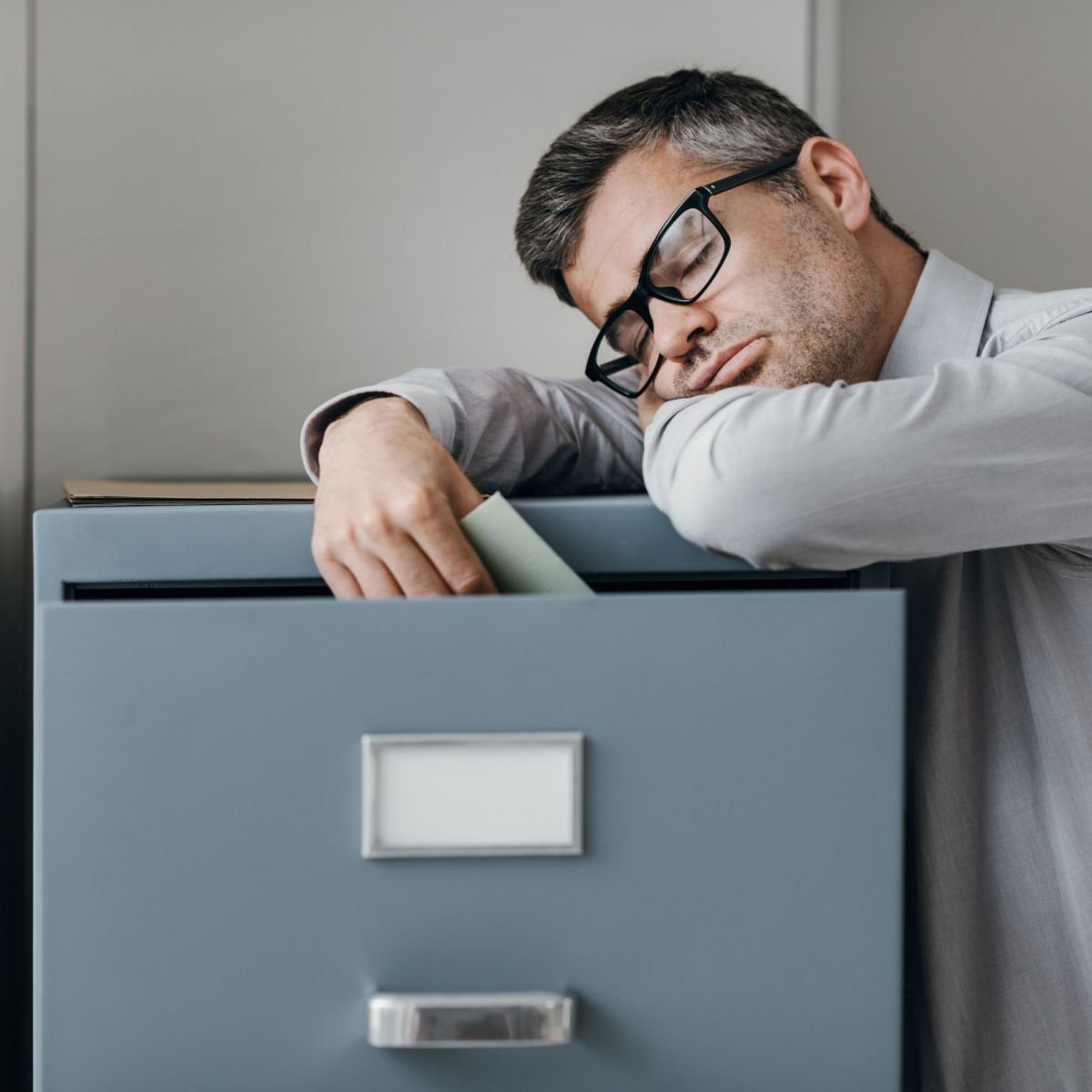
The main symptoms of narcolepsy
Symptoms of narcolepsy can vary, but some are particularly typical:
1. Excessive Daytime Sleepiness (EDS)
This is the main symptom of narcolepsy. People with this condition often feel an uncontrollable urge to sleep during the day, even if they have gotten enough sleep at night. This can make it difficult to work, drive, or perform other daily activities.
2. Cataplexy
Cataplexy is a sudden loss of muscle tone that is often triggered by strong emotions such as laughter, anger or fear. Some cases of narcolepsy include episodes of cataplexy, during which a person may lose muscle control but remain conscious.
3. Sleep paralysis
People with narcolepsy often experience sleep paralysis, a condition in which a person is unable to move or speak when falling asleep or waking up. This state can be very scary because the person is conscious but their body is temporarily paralyzed.
4. Hypnagogic and hypnopompic hallucinations
These are extremely vivid hallucinations that occur while falling asleep (hypnagogic) or waking up (hypnopompic). They can be extremely realistic and sometimes cause fear, as a person feels as if they are stuck between the dream and reality.
5. Short «sleep attacks» (English microsleeps)
Sometimes a person may «fall asleep» for a short time, even while apparently awake. This may last only a few seconds, but it can happen suddenly and incomprehensibly.
Causes of narcolepsy
Narcolepsy is associated with a deficiency of hypocretin (also called orexin), a chemical that regulates wakefulness and sleep. Hypocretin deficiency may be the result of an autoimmune process in which the body’s immune system mistakenly attacks the neurons that produce this substance.
Although the exact causes of narcolepsy are not yet fully understood, certain factors can increase the risk of the disease:
Genetic predisposition: Although most cases of narcolepsy are not hereditary, some genes can increase the risk of developing the disease.
Immune system problems: Some infections or autoimmune diseases are thought to contribute to the development of narcolepsy.
Trauma: In rare cases, narcolepsy can develop following brain damage, such as after a head injury.
Diagnosis of Narcolepsy
Diagnosis of narcolepsy is often difficult because the symptoms can be similar to those of other sleep disorders or mental health problems, such as depression or insomnia. The following tests are commonly used for diagnosis:
Polysomnography (PSG): This is a nocturnal test used to monitor brain waves, eye movements, muscle activity, and heart rate during sleep.
Morning Sleepiness Test (MSLT): This test measures how quickly a person falls asleep again during the day after a night’s sleep and whether they can enter the rapid eye movement (REM) sleep stage.
Treatment of Narcolepsy
Narcolepsy is not curable, but there are several ways to alleviate symptoms and improve quality of life:
1. Medication
Stimulants: These medications help reduce excessive daytime sleepiness. The most commonly used medications are modafinil and methylphenidate.
Antidepressants: Some antidepressants, such as… serotonin-norepinephrine reuptake inhibitors (SNRIs), can help control cataplexy and sleep paralysis episodes.
Sodium oxybutyrate: This medication is often used to treat more severe narcolepsy because it reduces cataplexy attacks and improves sleep quality.
2. Lifestyle Changes
Regular Sleep Schedule: Sleeping and waking at the same time every day helps regulate the sleep-wake cycle.
Daytime Naps: A 15-20 minute nap during the day can reduce fatigue.
Physical Exercise: Regular physical exercise helps better control daytime sleepiness and improve nighttime sleep.
3. Psychological Support
Having narcolepsy can be challenging both mentally and physically. Joining a support group or receiving psychotherapy can help cope with emotional challenges and improve quality of life.
Narcolepsy is a serious sleep disorder that can significantly impact daily life. However, with proper symptom management, patients can maintain a regular sleep schedule. If you suspect you may have narcolepsy, consult a doctor for necessary examinations and to develop an appropriate treatment plan. Early diagnosis and treatment are crucial for improving quality of life and effectively controlling symptoms.
Adequate sleep is especially important for people with narcolepsy. Choose Savashome’s high-quality bedding to create a comfortable and restorative sleep environment.
Latest posts

How to wash, dry and care for bedding?

Curtains are an exclusive highlight of home interiors
Restless children’s sleep

Satin care: tips and guidelines

Why are satin bedding sets so popular?

Home textiles for sensitive skin

How to choose a dress model?

Baby blankets: why are they important and how to choose them?

Herbs: Natural Ways to Improve Sleep