

Each of us wants to wake up refreshed and refreshed. However, not everyone understands that one of the most important factors for the quality of sleep is the correct choice of bedding. Although the mattress or pillow often receives the most attention, the material, breathability and softness of the bedding also have a direct impact on the quality of our sleep.
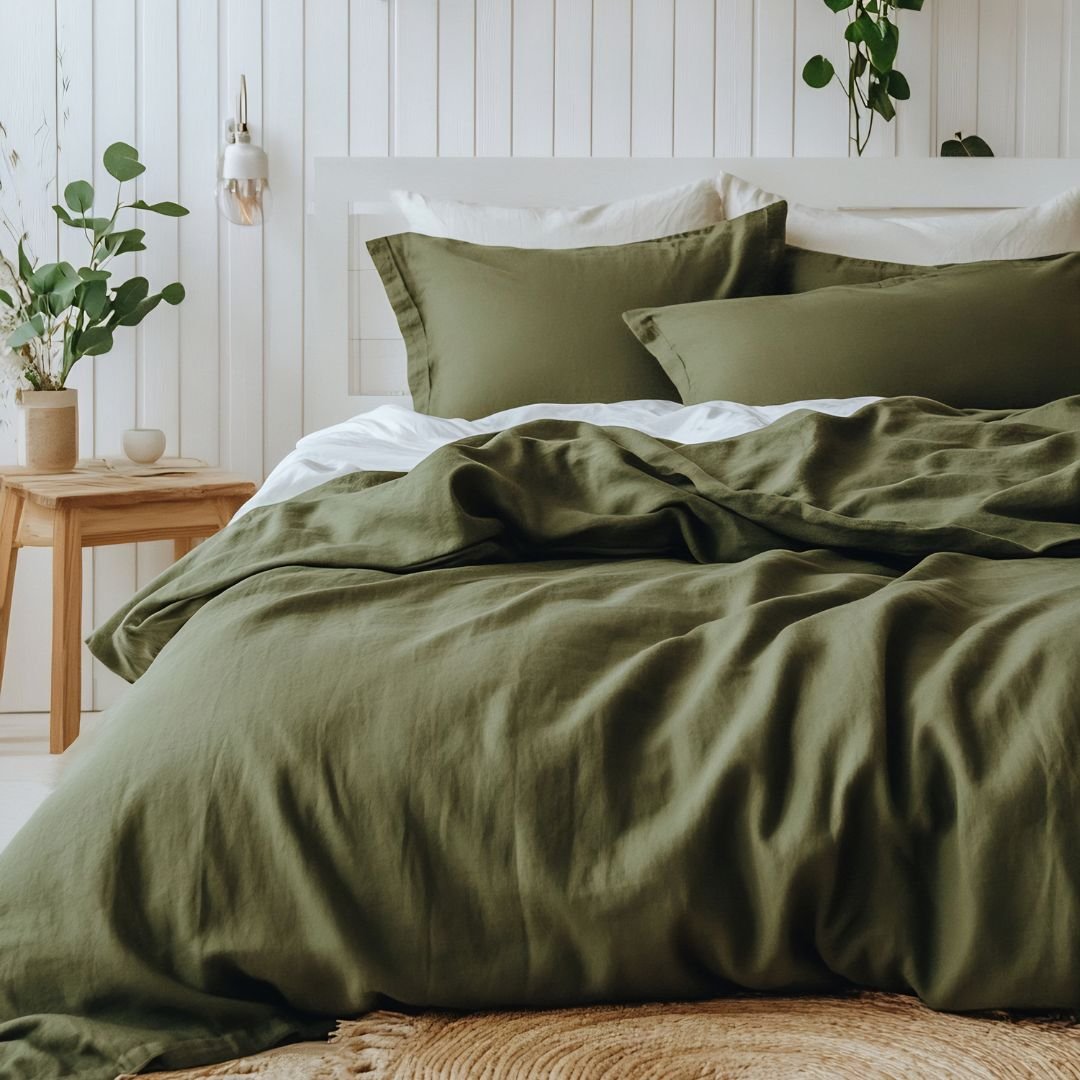
Breathable material is the key to a more restful sleep
The fabric of the bed linen has a direct impact on the quality of our night’s sleep. One of the most important aspects is the breathability of the fabric, which helps regulate body temperature and reduces sweating. Bedding made in natural fibresfor example cotton, linen ar silkit lets the skin breathe and maintains an optimal microclimate in bed. This is especially important for those who are often hot, sweaty, or wake up at night due to discomfort.
Cotton It perfectly absorbs humidity and lets it evaporate, making sleep fresher and more pleasant. Linenin addition to its breathable properties, it is characterized by temperature regulation: it cools in summer and warms in winter. Silk – it is a natural thermoregulator, perfect for sensitive or allergic skin.
In the meantime modern microfibrealthough synthetic, it can be a great alternative, especially if a high-quality fabric is used. Microfiber bedding is often made to be lightweight, soft and breathable, and its construction allows moisture to evaporate quickly. This helps maintain a dry, fresh environment in the bed, especially useful for heavily used or frequently washed bedding sets.
Choosing breathable bedding, whether it is natural fabric or quality microfiber, can improve your sleep quality, reduce nighttime discomfort and enjoy a calmer, deeper rest.
2. Softness and sense of touch
Soft, skin-friendly bedding is not only an aesthetic choice, but also a real necessity for those with sensitive or irritated skin. The high-quality fabric, which adheres gently to the body, helps you relax faster, provides a feeling of comfort and can have a direct effect on falling asleep faster and resting more peacefully.
The feeling of luxury is usually created by:
-
Satin is a combed cotton fabric with a discreet shine and a particularly smooth surface. It is not only pleasant to the touch, but also has an aesthetically pleasing appearance, suitable for those who value both comfort and appearance.
Transfer – a tightly woven but soft cotton fabric, particularly suitable for the summer period or for those who love a cooler touch.
Silk – exceptional for its natural softness, refreshing effect and hypoallergenic properties. It is an especially good choice for those with sensitive, irritated or allergy-prone skin.
But don’t underestimate it microfibre. Although it is a synthetic fabric, high-quality microfiber bedding can be extremely soft and silky to the touch. It often resembles soft flannel or combed cotton, making it a favorite among those looking for comfort at an affordable price. Microfibre does not irritate the skin and, thanks to its structure, dries quickly and is easy to care for, which is particularly convenient for everyday use.
Even linen, which by nature has a rougher texture, is now often treated to be gentle on the skin. With each wash, linen bedding becomes softer, maintaining its natural beauty and delicate touch.
In conclusion, soft fabric is an integral part of sleep quality. It not only envelops the body pleasantly, but also creates a cozy and safe atmosphere that helps you relax after a long day. It doesn’t matter whether you choose silk, microfiber or natural cotton – the most important thing is that the touch of the bed linen is pleasant for you.
3. Prevention of allergies
The quality of sleep is strongly influenced not only by comfort, but also by the cleanliness of the environment in which you sleep. For many people, especially those with sensitive skin, dust allergies or respiratory problems, the composition of the fabric can be a deciding factor. Synthetic fabrics, especially lower-quality ones, tend to collect dust, sweat, skin cells and bacteria, which can become irritating over time. This can cause sneezing, stuffy nose, burning eyes, or even trouble sleeping at night.
To avoid this, it is worth choosing natural and hypoallergenic materials:
-
Linen It has natural antibacterial properties and prevents the proliferation of dust mites: it is a very suitable choice for people with allergies.
-
Bamboo fibre naturally resistant to bacteria, hypoallergenic, absorbs moisture well and lets the skin breathe.
-
Organic cotton it is also recommended for allergy sufferers, as it does not cause irritation, especially if the bed linen is not bleached or treated with strong chemical dyes
-
Silk – one of the most hypoallergenic fabrics, particularly appreciated for its ability to repel dust mites and other allergens.
Meanwhile, quality microfiber, even if synthetic, can be a good choice for people with allergies if it is made tightly and densely. Such fabrics do not let dust mites in and are easily washable at high temperatures, so your sleeping environment can easily be kept clean. However, it’s important to choose only high-quality microfiber bedding, as cheaper options can have the opposite effect of building up static electricity and attracting dust.
Regularly changed and properly selected bed linen not only ensures a feeling of freshness in bed, but also helps to reduce irritation of the respiratory tract and improve the quality of sleep, especially for sensitive or allergic people. Choose fabrics that are not only gentle on the body, but also support a healthier, cleaner environment for you to relax.
Correct size and fit
Even the highest quality bed sheet can disturb your sleep if it continually slips or comes loose. Therefore, it is worth choosing sheets with rubberwhich adhere well to the mattress and do not crease during the night.
5. Emotional comfort and aesthetic peace
Cozy bedding is not just about functionality. Color shades that are pleasing to the eye, clean fabrics and a tidy bed have a psychological effect in the evening: they help you relax and feel like resting. A calm, neutral color scheme is excellent
Conclusion: An investment that pays off every night.
Bedding may seem insignificant, but when chosen correctly, it can directly improve sleep quality. It’s not just about aesthetics; it’s about health, relaxation, and waking up refreshed.
If you’re looking for bedding to improve your sleep, choose natural, breathable fabrics and consider the season and your bed size. Most importantly: treat yourself and enjoy the sleep you deserve.
Looking for high-quality bedding? Visit our Savashome page to explore soft, breathable, and beautiful bedding.
Latest posts
How to wash, dry and care for bedding?

Curtains are an exclusive highlight of home interiors
Restless children’s sleep
Satin care: tips and guidelines
Why are satin bedding sets so popular?
Home textiles for sensitive skin
How to choose a dress model?

Baby blankets: why are they important and how to choose them?

Herbs: Natural Ways to Improve Sleep