In the world of sewing, the border is a fundamental piece that gives character and history to your creations. As a sewing enthusiast, I am always looking for the best techniques to create perfect piping. In this article I will share with you my secrets to achieving this goal. Follow these tips and tricks carefully to get professional results!
The usefulness of the cord in sewing
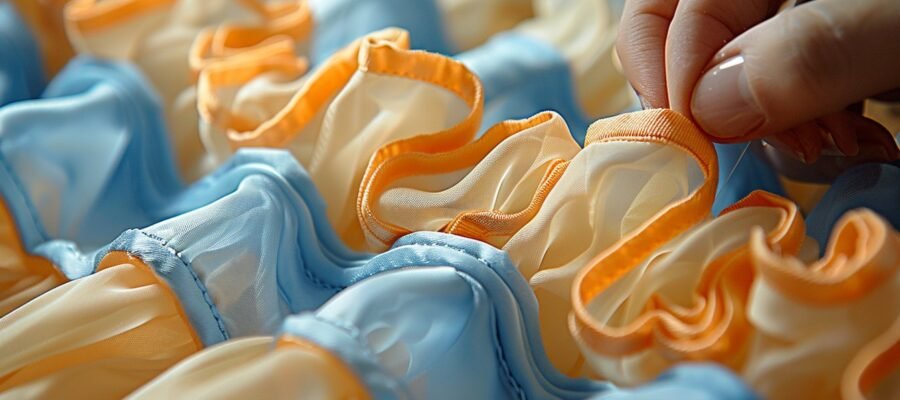
Before discovering the tips for successful piping, it is important to understand their usefulness. Piping is a strip of fabric folded in half with a rope inside. It is used to adorn and reinforce the edges of a piece of fabric, for example on cushions, curtains or clothing. In addition to its decorative appearance, it also protects the seams from wear and provides a neat finishing touch.
The choice of fabric
Choosing the right fabric is essential for successful piping. Choose a soft and slightly elastic fabric to make it easier to draw the cord and create the curves. Avoid fabrics that are too thick or stiff, which will make the task difficult. As for the cord, choose it preferably in cotton and in the size suitable for your project. Don’t hesitate to play with colors and patterns to add some pizzazz to your creations!
Ideal types of fabric:
Cutting the fabric
Once you’ve chosen your fabric and cord, it’s time to cut the fabric to make the piping. It is important to cut the strips on the bias of the fabric, parallel to the diagonal threads. This allows for greater elasticity on the curves and prevents the fabric from deforming or fraying. Use a rotary cutter and ruler to make cutting easier. Make sure you always respect a constant width to obtain a harmonious result.
Tips for cutting pipes:
- Use tailor’s chalk to mark the cutting lines on the fabric.
- Tape multiple layers of fabric together to save time and cut multiple strips at once.
- Iron the strips before mounting to avoid unwanted creases.
Pipe assembly
To assemble the cord, start by placing the cord in the center of the fabric strip, right side out. Then fold the fabric over the cord and secure it in place with pins or clips. Then, sew a seam a few millimeters from the piping using a special piping foot or zipper foot. Don’t hesitate to adapt the speed and raise the presser foot slightly to make it easier to sew on rounded edges.
How to give a harmonious shape to the pipes:
- Be precise when cutting and assembling to avoid width deviations.
- Gently iron the cord before placing it on your garment.
- Don’t hesitate to use a thin needle to pull the cord slightly to adjust the tension.
Installing piping on your creation
To place the cord on the piece of fabric, start by pinning the two sides right sides together, lining up the edges. Make sure you place the cord correctly between the two layers of fabric and stick to a seam allowance that works for your project. Then sew the three layers together, taking care to follow the same path as when you assembled the tubular. This will give you a clean seam that will hold the piping securely in place.
Tips for a flawless installation:
- Use a special piping foot or zipper foot to guide the stitching.
- Thin clips or pins are your best friends for holding the different thicknesses together.
- Experiment with fabric scraps before starting on the final piece.
By following these tips and tricks, you will quickly master the art of sewing piping. Thanks to your know-how, your creations will be valued and will reflect your passion for this universe. So, start making perfect piping and marvel at the result!
About the author

Recent articles
To feel good about your clothes and have confidence in yourself, you need to have a well-stocked wardrobe. Dresses are essential elements of a woman’s wardrobe, but…
Sewing is a passion for many, but it can quickly become expensive. That’s why I offer you here a complete guide to finding free sewing patterns in…
Welcome to the exciting world of women’s coat designs! If you’re like me, admiring a beautiful coat always makes you want to start sewing…
Latest posts
How to wash, dry and care for bedding?

Curtains are an exclusive highlight of home interiors
Restless children’s sleep
Satin care: tips and guidelines

Why are satin bedding sets so popular?
Home textiles for sensitive skin
How to choose a dress model?
Baby blankets: why are they important and how to choose them?
Herbs: Natural Ways to Improve Sleep