Unique weaving technique and delicacy of the material Unlike printed fabrics, a jacquard pattern is created by weaving hundreds or even thousands of warp and weft threads on specialized looms. This complex construction, although durable, is prone to mechanical damage. The individual convex threads that make up the pattern can be easily pulled out when washing clothes with zippers, hooks or other sharp objects. Aggressive spinning can distort the precise texture, causing the design to warp. Therefore, each phase of maintenance must be well thought out and focused on protecting this complex structure.
Variety of Jacquard fabric fibers
Jacquard fabrics can be made from a wide variety of fibers, which directly affects their care rules. We can find jacquard cotton, which is quite resistant, but also silky, extremely delicate and sensitive to high temperatures. Wool, viscose and synthetic fibers such as polyester jacquard are also very popular, as they are often more resistant and easier to maintain. Each of these materials reacts differently to water, temperature and detergents, so it is very important to determine the composition of the fabric before starting any care procedure.
Identification of components as the key to adequate care
The most important source of fabric information is the care label. It is on it that the manufacturer provides precise guidelines regarding the composition of the raw materials and the recommended method of washing, drying and ironing. Always check before the first wash. If the label has been removed or is illegible and you are unsure of the composition of the material, always use the most accurate care method. This means hand washing in cold water with a very mild detergent, which minimizes the risk of damaging even the most delicate fibers such as silk or wool.
Understanding the specificities of the fabric is the basis for taking care of its appearance in a conscious and safe way.
The best way to keep your jacquard clean is to dry clean or follow the recommendations on the label. However, if the recommendations allow washing with water, we recommend that you read the following tips:
Before putting it in the washing machine: basic steps to prepare the jacquard
Correctly preparing jacquard fabric for washing is as important as the cleaning process itself. This is the stage where you will reduce the risk of swelling, discoloration and warping by ensuring that the material comes out of the washing machine intact. Taking a few minutes to do this activity is an investment in the longevity of your clothes.
Color separation and dye fastness tests
The basis is to distinguish jacquard clothes from other fabrics, especially with intense colors. Wash jacquard with materials in a similar color palette to avoid accidental stains. If you come across a new multicolor jacquard and are concerned about dye fastness, do a simple test. Wet an invisible piece of fabric, such as an inside seam, then apply a white cotton cloth and press gently. If traces of dye remain on the fabric, it means that the fabric can be dyed and should only be washed by hand and separately.
Closure with buttons, zips and embroidery
Any sharp and protruding elements of clothing pose the greatest threat to delicate jacquard threads. Fasten all buttons, zippers and hooks before putting clothes in the washing machine. The best practice is to turn the garment inside out. This not only protects the convex jacquard pattern from rubbing against the washing machine drum, but also protects other clothes in the same wash cycle. For extra protection, especially for very delicate fabrics, place the garment in a suitable mesh laundry bag.
Pre-removal of stains before main wash
Never put your jacquard in the washing machine with a dry, heavy stain. Washing in water can fix it, making it nearly impossible to remove. Instead, act immediately. Gently dab fresh stains with a clean cloth, avoiding friction that could damage the fibers. For older stains, use a special, gentle stain remover designed for delicate fabrics. Always apply it to an invisible piece of fabric first to ensure it doesn’t discolor the fabric. Only after the initial removal of the stain can you proceed with the main wash.
Careful preparation is the secret to maintaining the perfect structure and appearance of jacquard fabrics.
Jacquard washing step by step: safe methods and detergents
To maintain the integrity of the jacquard design and structure, it is very important to choose the right washing method. Whether you choose to wash in the washing machine or by hand, there are some fundamental rules to remember regarding temperature, mechanics and detergents. They determine whether your fabric will retain its shine.
Choose the right program and temperature in the washing machine
Machine washable if the label allows, but requires special care. Choose the most delicate program, such as «Hand wash», «Wool» or «Delicates». The most important thing is a low water temperature, which should never exceed 30 degrees Celsius. Hot water can shrink natural fibers like cotton or wool and permanently damage the material. It is equally important to set the minimum drilling speed, preferably 400-600 rpm. Too intense centrifugation can cause irreversible wrinkles and deformations of the model.
Which detergents protect jacquard fibres?
The type of detergent used has a huge impact on the condition of the jacquard. Strictly avoid harsh detergents, which often contain enzymes and optical brighteners. They can weaken delicate fibers, especially silk and wool, and cause discoloration. The safest choice is mild, pH-neutral liquid detergents designed specifically for washing delicate fabrics, silk or wool. Also, do not use fabric softeners, as they can leave residues on the fabric that will weaken its natural shine and noble appearance.
Hand washing as a safer alternative
For the finest and most delicate jacquard fabrics, especially those containing silk or wool, hand washing is always the safest choice. Fill a bowl or bathtub with warm water, the temperature of which is no higher than 30 degrees Celsius. Add a small amount of mild laundry detergent and dissolve it well. Soak the cloth and let it rest for about 15-20 minutes, allowing the detergent to act. Gently knead the material, avoiding friction and twisting. After washing, discard the water and rinse the fabric several times with clean, fresh water until the detergent is completely removed.
Compliance with these rules guarantees that the washing process nourishes the fabric, without damaging it.
Jacquard drying and ironing: how to avoid creases and deformations?
The post-wash phase is the time when it is easy to make mistakes that cause permanent wrinkles, stretching or loss of shape of the fabric. Drying and ironing correctly is an art that requires patience and finesse, and is rewarded with a perfectly smooth and shiny material. Avoiding high temperatures is a top priority here.
Proper drying methods to maintain shape
Never put your jacquard in the dryer. Hot air and mechanical rotation can cause shrinkage and irreparably damage the delicate structure of the model. After removing the fabric from the washing machine or hand washing it, gently squeeze out excess water without wringing the fabric. The best method is to lay a thick, clean towel on a flat surface, place a jacquard cloth on top and wring it out to absorb the moisture. Then spread the fabric on a dry towel, in a place with good air circulation, but away from direct sunlight and heaters.
Safe temperature and ironing technology
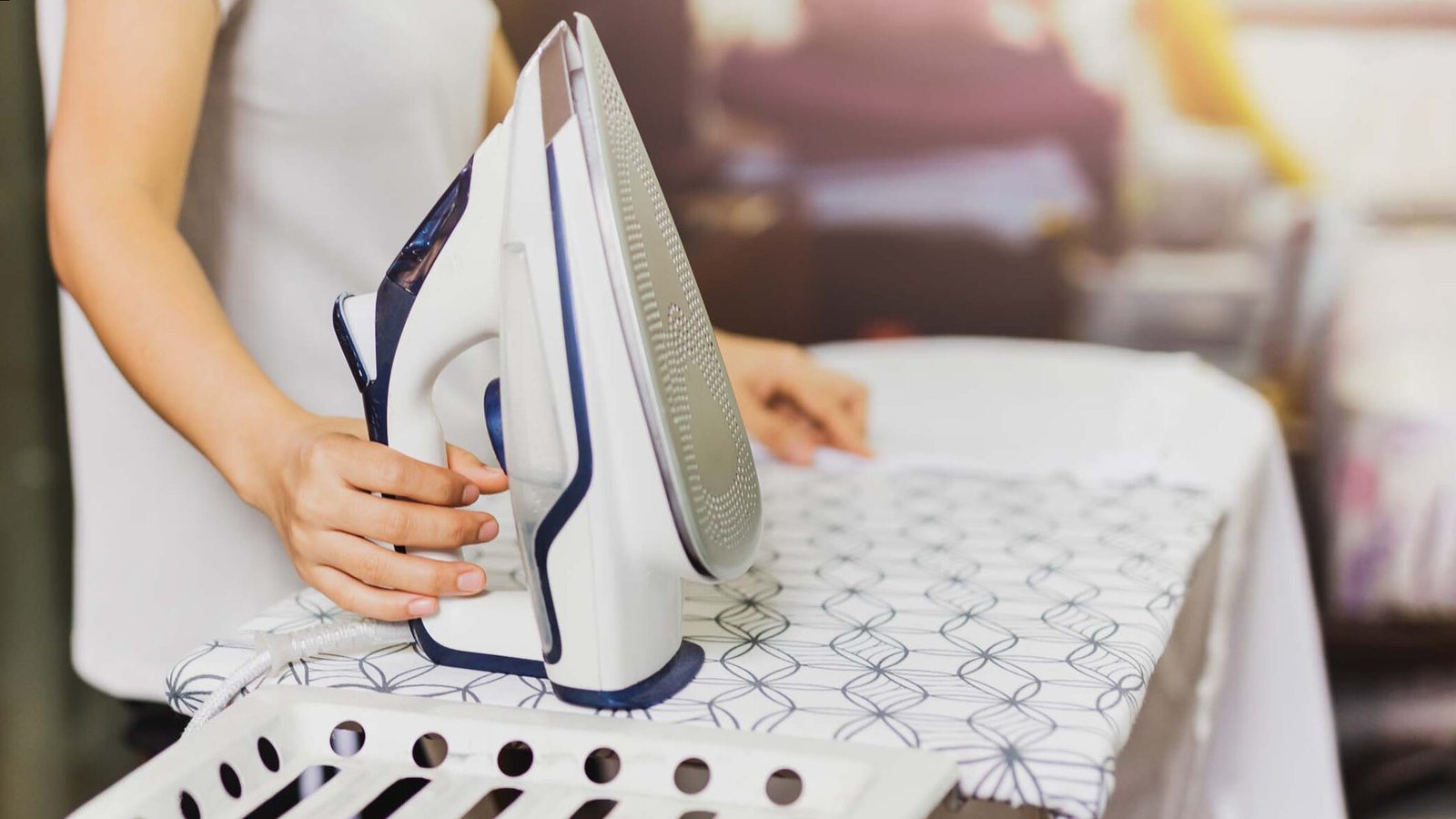
Jacquard ironing requires precision and the right settings. Always iron the fabric on the left side to protect the embossed pattern from direct contact with the hot sole and avoid unsightly reflections. It is best to do this when the material is still slightly damp. Set the iron to a low temperature suited to the best fiber composition of the fabric, usually a silk or synthetic program. For added protection, use a clean cotton fabric as a barrier between the iron and the jacquard. Iron with fluid and delicate movements without holding the iron in the same place for too long.
Using a vaporizer as a modern solution
A steam iron is a great and often safer alternative to a traditional iron, especially when you need to refresh clothes or remove small creases. The hot steam melts the fibers without direct contact and pressure, reducing the risk of damage to the model. Hang your clothes on the hanger and direct the jet of steam from a distance of a few centimeters, moving the nozzle vertically from top to bottom. This method is particularly effective for jacquards with a very convex weave and made of extremely temperature-sensitive fibers.
A gentle approach in this last stage of care is the culmination of the entire process and the guarantee of a perfect appearance.
The most common mistakes in jacquard care and how to avoid them
Knowing the most common errors is as important as knowing the correct procedures. By avoiding these few pitfalls, you will be able to enjoy the flawless appearance of jacquard garments and fabrics for many years. It is often these small errors that cause the greatest and most irreversible damage.
Washing and spinning temperature too high
This is the most serious and common mistake. Washing jacquard at temperatures above 30 degrees Celsius, especially if it contains natural fibers such as wool, silk or cotton, will almost certainly cause the material to shrink. Setting a high drilling speed is no less destructive. Centrifugal force causes tension in delicate threads, which can cause permanent pattern distortions and even microdamage in the fabric structure. Always follow the principle of low temperature and minimum spin to protect the shape and size of the fabric.
Use of aggressive bleaches and stain removers
The use of chlorine-based chemical bleaches is strictly prohibited in the care of Jacquard. Not only do they destroy color, causing unsightly stains and discolorations, but they also permanently weaken the structure of the fibers, making them susceptible to tearing. Likewise, you should be careful with stain removers. Always choose those designed for delicate fabrics and be sure to test on an invisible part of the fabric before applying it to a visible part of the garment. Harsh chemicals can cause more damage than the stain itself.
Improper storage leading to destruction
The way jacquard clothes are stored has a direct impact on their longevity. Avoid hanging jackets or heavy jacquard dresses on thin wire hangers, as this may strain your arms. Instead, use wide, profiled hangers. Also, avoid overstuffing clothes in your closet, as the constant pressure can cause wrinkles that are difficult to remove. Delicate silk jacquards are best stored flat and lined with tissue paper to prevent pilling.
Avoiding these pitfalls is an easy way to ensure your jacquard treasures live a long and beautiful life.
Latest posts
How to wash, dry and care for bedding?

Curtains are an exclusive highlight of home interiors
Restless children’s sleep
Satin care: tips and guidelines
Why are satin bedding sets so popular?
Home textiles for sensitive skin
How to choose a dress model?
Baby blankets: why are they important and how to choose them?
Herbs: Natural Ways to Improve Sleep