
Once highly prized wool products have lost their popularity over time, but with the advent of merino wool fibers on the market, these animal-derived materials are experiencing a true renaissance. But make no mistake and don’t get confused, traditional wool and merino wool are different fibers, so in this post we want to briefly but clearly introduce you to the intricacies of merino wool. are you ready?
How does merino wool differ from the traditional wool we know so well?
The structure of merino wool is completely different from that of conventional traditional wool. The traditional wool fibers we know well are thick, stiff and lack flexibility and, as many like to say, «bite» bare skin. However, merino fibers are the exact opposite of regular sheep’s wool. A blanket knitted from merino wool fibers, for example, is thin and elastic, extremely pleasant and soft to the touch, as well as soft, light, delicate and, above all, «does not bite». Merino wool is experiencing a real breakthrough in the production of children’s items and clothing, as it is the ideal choice for making clothes, blankets and other items for the little ones. Meanwhile, sheep’s wool is very useful for a newborn’s first socks or gloves, which must be as rough as possible to promote blood circulation in the newborn’s limbs.
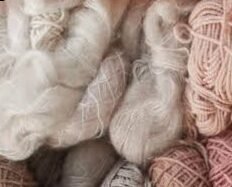
100% natural and biodegradable fibre
Merino wool is extracted from a certain breed of sheep whose representatives live only in the natural environment. Merino wool is biodegradable as it decomposes naturally in the soil over several years. Furthermore, this fiber is breathable and absorbs moisture well. It is one of the most breathable fibers you can use for clothing, blankets, blankets, sportswear and other products. Merino wool fibers can absorb a significant amount of moisture and evaporate it effectively. It is for this reason that even if the merino wool blanket is wet, the baby will not feel any discomfort.
Thermoregulation and UV protection
Merino wool adapts perfectly to changing environmental temperatures just like the sheep from which this wool is shorn. Although merino wool blankets and other products are traditionally designed for colder seasons, merino fiber is definitely suitable for year-round use. It can perfectly warm your body in cold weather and prevent it from overheating in very hot weather. This is a particularly important advantage for those raising small children, because they do not yet have well-developed thermoregulation, so their body cools much faster than ours and heats up in summer. Additionally, merino wool effectively absorbs UV rays and protects your skin from sun damage. For this reason it is an excellent choice for outdoor walks with a stroller in production.
The fiber is odor resistant
Unpleasant odors emanating from clothes, blankets or blankets are caused by bacteria of various origins or odors coming from the environment. Because merino wool absorbs moisture incredibly well and then evaporates it also well, it does not create an environment in which bacteria can multiply and grow, so blankets, throws and other merino wool products do not need to be washed often. If you want to bring freshness to merino wool products, simply air them in the fresh air. In addition, since this type of wool is made of extremely fine fibers, the air circulation between them is many times better, so the odor resistance is much higher than traditional wool.
Dirt resistance
Merino wool fibers have a natural outer protective layer with hydrophobic properties, so dirt is absorbed much more slowly. This way you can effortlessly remove virtually any type of dirt before it penetrates the fiber.
Health benefits
Merino wool, unlike traditional wool, is recommended for people with atopic dermatitis and those with extremely sensitive skin that is constantly subject to irritation. Merino wool is not adored for nothing: it has beneficial properties for health, it also helps with skin problems, acts as a natural healing agent, reducing the need to use medications. Merino wool products are antibacterial and do not cause allergies or other inconveniences. The sheep’s wax present on them creates a natural and invisible protective layer that repels dust and mites, which are the main cause of allergic reactions.
So, merino wool is definitely a great choice not only in winter, but all year round.
Latest posts
How to wash, dry and care for bedding?

Curtains are an exclusive highlight of home interiors
Restless children’s sleep
Satin care: tips and guidelines
Why are satin bedding sets so popular?
Home textiles for sensitive skin
How to choose a dress model?

Baby blankets: why are they important and how to choose them?
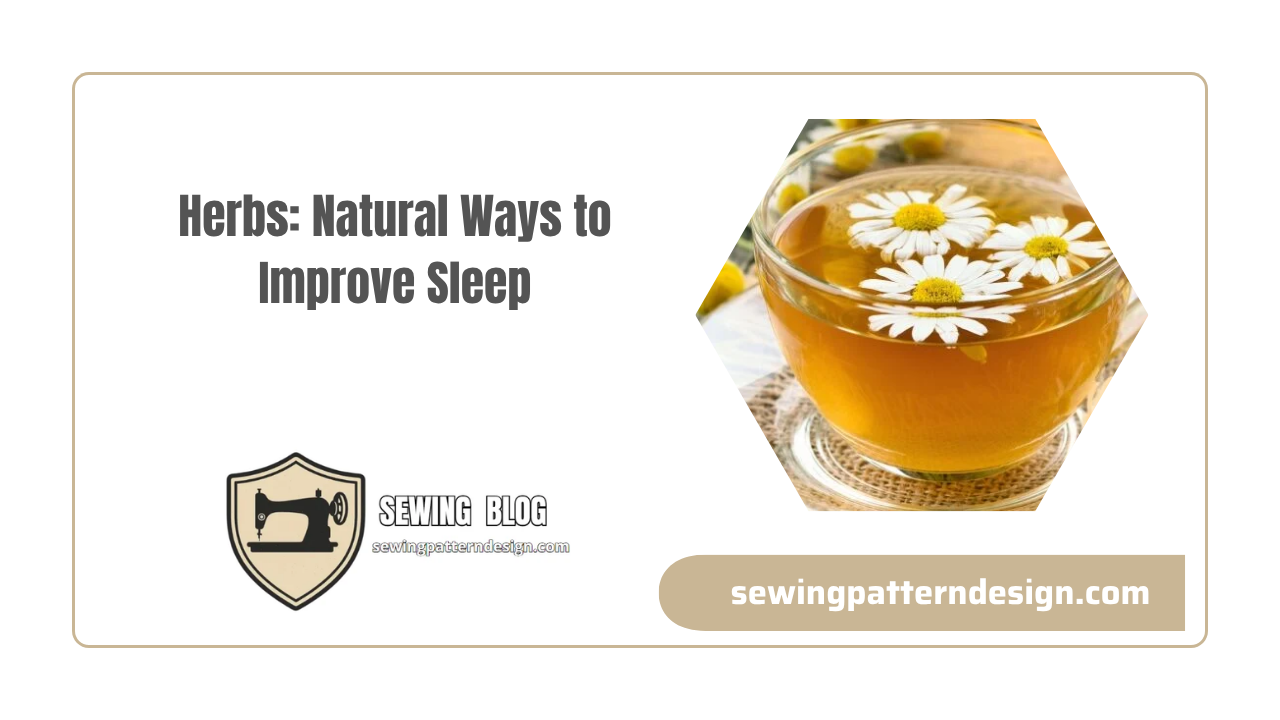
Herbs: Natural Ways to Improve Sleep