

Cotton bedding is a great choice for creating a cozy and enjoyable bedroom. Cotton is a natural, breathable and durable fabric that can improve your sleeping experience. However, to maintain the softness, brightness and quality of cotton bedding, proper care is required. In this blog, we will discuss in detail how to properly care for cotton bedding.
Read and follow the care instructions:
Before using cotton bedding, it is important to read the manufacturer’s care instructions. These instructions are tailored to your specific type of cotton and any additional finishing or processing methods. Follow the recommended washing, drying, ironing and other care instructions.
Prewash new cotton bedding:
We recommend pre-washing new cotton bedding before using it. This will help remove any residual finishing chemicals that may be causing skin irritation. Follow the manufacturer’s instructions for the correct wash temperature and detergent.
Sort and wash:
Before washing your cotton bedding, sort it by color and fabric weight. This will help prevent colors from fading and ensure that lighter fabrics are not heavily damaged. Using a mild detergent specifically for delicate fabrics or recommended by the manufacturer will ensure safe washing. Avoid using chlorine or harsh chemicals to avoid damaging cotton fabrics.
Although cotton bedding is a durable and long-lasting product, it requires proper care. Cotton bed linen should not be washed at a temperature higher than 40 degrees, so that the fabric does not fade and its patterns are not damaged – it is better to do this with bed linen inside out. Also, never wash dark and light fabrics together, even if they are two sets of cotton sheets. It is recommended to wash the bed linen before first use. In general, cotton bed linen should be changed and washed every two weeks: this way it will be possible to ensure its cleanliness and hygiene without additional means and cleaning. Chemical cleaning is absolutely not suitable for caring for satin products, which can damage the structure of the fabric: bed linen will wear out faster. However, stains from this fabric can still be removed quite easily: a normal wash is usually sufficient. It is also important that there is space for the bedding set to rotate freely in the washing machine: this way the fabric will be cleaner, will not stretch and will wrinkle less.
Temperature and wash cycle:
When it comes to washing cotton bedding, it is important to follow the correct temperature and wash cycle. Cotton bedding should usually be washed on a warm or medium heat cycle. High temperatures and an intense wash cycle can damage cotton fabric and shorten its life.
Drying:
If possible, it is best to air dry cotton bedding naturally. This will help keep the cotton soft and prevent the fabric from shrinking too much. If you use a dryer, select a gentle cycle and a low heat setting. Avoid overdrying or leaving in the dryer for long periods of time to avoid damage to the fabric.
-
-
Comparison:
-
Ironing cotton bedding helps smooth out wrinkles and give it a neat look. Use a medium ironing setting and the correct temperature. To avoid damage to the fabric, use steam ironing and avoid direct contact with the fabric.
Paradoxically, although tumble drying can damage satin, ironing it even at high temperatures does not damage it at all. Even the opposite. For example, if a bedding set has been used during an illness, you want to disinfect it as much as possible to remove viruses, but disinfectants and intensive washing damage the fabric – ironing with a hot iron might be the solution. On the other hand, since the fabric is natural, some irregularities give it a certain charm, so cotton bed linen will not lose its properties and aesthetics even when you do not have the time or desire to iron it. Cotton bed linen is sewn from a natural and durable fabric, so proper care will ensure that its properties do not change for a long time. By taking care of the bedding set according to the rules, you will enjoy a high-quality product for a long time.
-
-
Storage:
-
Store cotton bedding in a dry and ventilated place. Avoid direct sunlight as prolonged exposure to the sun can fade and damage the fabric. When preparing your bedding for the winter, make sure it is clean and completely dry to avoid mold or odors.
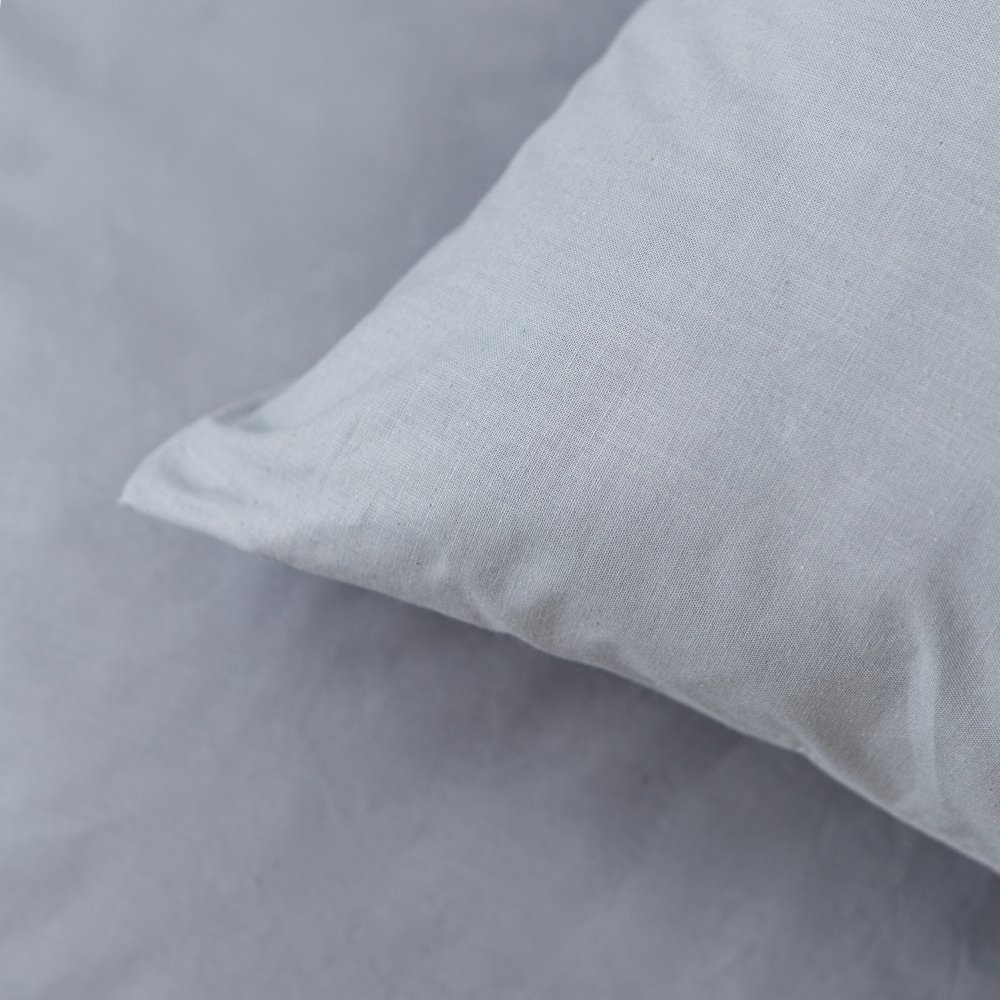
Use of detergents
If you want to preserve the properties of cotton bed linen for as long as possible and want to nourish the fabric and keep its color unchanged, you should not use intensive detergents, bleach, stain removers. Satin is a natural fabric, so it loves softness. It is best to choose detergents specifically for cotton fabrics and use detergents specifically for colored fabrics to wash cotton bedding in lighter or darker colors. Cotton bed linen is strong and durable, it does not change its properties even after many washing and drying cycles. Tumble drying increases the chances of your bedding shrinking and also damages the fabric itself, especially if dried at higher temperatures. Satin fabric dries quite quickly, so you can easily dry bedding made from it under normal conditions.
Conclusion: Proper care of cotton bedding is essential to maintaining its softness, brightness and longevity. By following these tips and following the manufacturer’s instructions, you will be able to enjoy the benefits of cotton bed linen for a long time and enjoy a sleep perfectly tailored to your needs.
Latest posts

How to wash, dry and care for bedding?

Curtains are an exclusive highlight of home interiors

Restless children’s sleep

Satin care: tips and guidelines

Why are satin bedding sets so popular?

Home textiles for sensitive skin

How to choose a dress model?

Baby blankets: why are they important and how to choose them?

Herbs: Natural Ways to Improve Sleep