When was the last time you bought a cheap t-shirt, did you wonder who made it and under what conditions?
Beyond the brightly lit shop windows and tempting labels, the fashion industry hides uncomfortable realities. Clothes are not born on a hanger. They come with stories: some beautiful, some painful.
What does “ethically created textiles” really mean?
Ethically created fabrics are more than a trend. They are a commitment. They start from respect – for people, for the planet and for our shared future.
Each piece of sustainable clothing is carefully created from consciously chosen materials such as untreated cotton, hemp or linen.
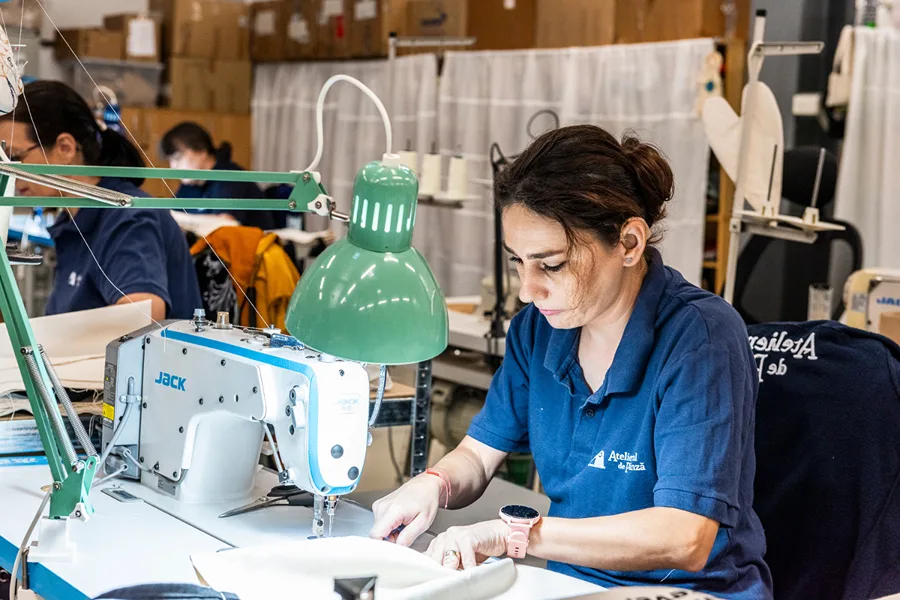
Sustainable fashion isn’t just about materials. It means factories where people are paid fairly, have safe working conditions and are treated with dignity. In many cases, the minimum wage paid in fast fashion factories is lower 100 dollars a monthalthough a dignified life would require at least three or four times morecomply with the Fair Wear Foundation.
In Romania, for example, numerous textile factories subcontracted by international brands pay workers the minimum wage or less for unpaid overtime and unsafe working conditions. In a report published by the Clean Clothes Campaign in 2022, female workers in the Romanian textile industry reported that they end up earning even less than 1 euro per houreven if he works more than 10 hours a day.1
Ethically created fabrics also mean production processes designed to minimize pollution and reduce water and energy consumption. For example, some sustainable brands reuse water in the dyeing process or use vegetable dyes.
And, perhaps most importantly, it means transparency: that feeling of knowing what you’re buying and that your choice supports a good cause.
Fast fashion: what is it and why is it so present in our lives?
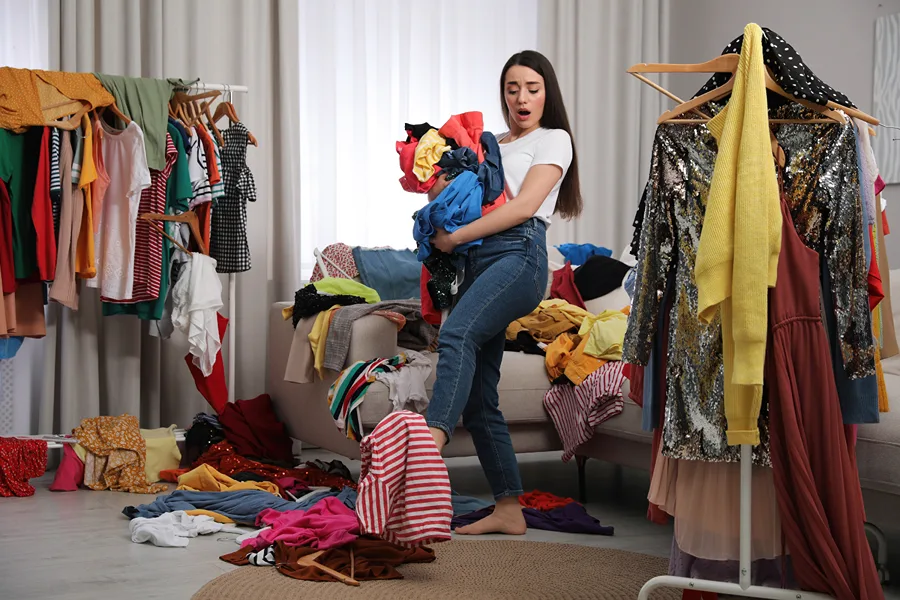
On the other hand, fast fashion is quick, convenient, and ever-changing. Major brands release new styles almost weekly, encouraging us to buy new items even if we don’t need them.
To maintain this fast pace, many fast fashion brands mass-produce inexpensive clothing, often in countries with extremely low wages and limited or nonexistent worker protections. Bangladesh, Vietnam, and Cambodia are major exporters—countries where the minimum monthly wage in 2023 was equivalent to only $75 to $120.
The fabrics used are often synthetic materials, such as polyester or nylon, which are derived from petroleum and are difficult to recycle. For example, 60% of the world’s clothing is made of polyester, acrylic, and nylon.² These materials release microplastics with each wash, exacerbating ocean pollution: up to 700,000 fibers can be released in a single wash.³
Furthermore, these garments have a long design lifespan, not only because of their poor quality but also because fashion trends change so rapidly that we easily replace them frequently.

Two opposing philosophies
Sustainable fashion and fast fashion represent two opposing philosophies. Premium means quality, care and sustainability. Second: volume, speed and invisible sacrifices.
Ethical textiles use natural and sustainable materials, offer fair working conditions and reduce environmental impact. On the other hand, fast fashion prioritizes profit, regardless of social and ecological costs.
Of course the price is also different. But if at first glance ethical clothes may seem more expensive, they actually represent an investment: in quality, in sustainability and in the collective good. In contrast, very cheap clothes have a hidden cost: poor quality forces us to replace them more often, and their negative impact on the world cannot be ignored.
Why is all this important?
Because the fashion industry is a the second most polluting industry in the worldresponsible for approx 10% of global carbon emissions AND 20% of industrial water pollution.4
Because millions of people are still exploited every day, in inhumane conditions, just to be able to have a varied offering in shops. A report of “Clean Clothes” campaign. shows that less than 3% of the price of an item goes to the workers who make it.5
Because cheap clothes, once worn two or three times, end up in the garbage, fueling mountains of textile waste. It is estimated that every year, 92 million tons of clothes they are thrown away, and just 1% they are actually recycled into new clothing items.6
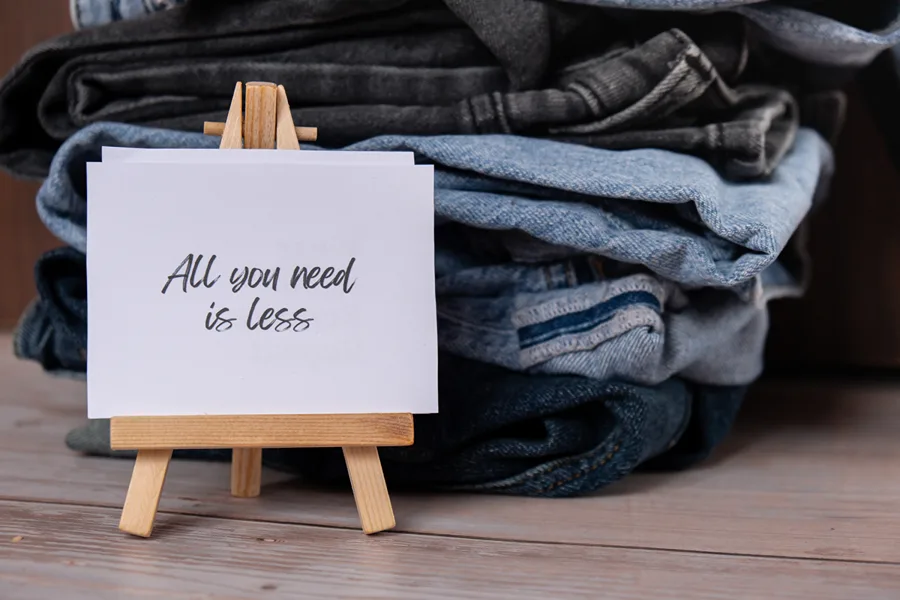
But also because each of us has a power: that of choosing. To say «no» to an item of clothing that does not respect people and nature. Look for alternatives, buy less, but in a more conscious way.
Buying ethically doesn’t mean being perfect. It’s not even necessary. It simply means be careful. We ask questions. We are curious. Maybe it means choosing one quality coat instead of five cheap ones. Maybe it means repairing, donating, reusing.
Latest posts

How to wash, dry and care for bedding?
Curtains are an exclusive highlight of home interiors
Restless children’s sleep

Satin care: tips and guidelines
Why are satin bedding sets so popular?
Home textiles for sensitive skin
How to choose a dress model?
Baby blankets: why are they important and how to choose them?

Herbs: Natural Ways to Improve Sleep