

Although the sewing machine is a great help in everyday life, sometimes it is better to carry out certain tasks by hand. One of them can sew a hidden seam. A hidden seam may also be called an invisible seam. With its help, two separate parts are imperceptibly connected. This is especially useful when a jacket, pillow and similar items are torn or when you want to make soft toys with your own hands to surprise the little ones. So, in this article we will talk about how to sew a hidden seam by hand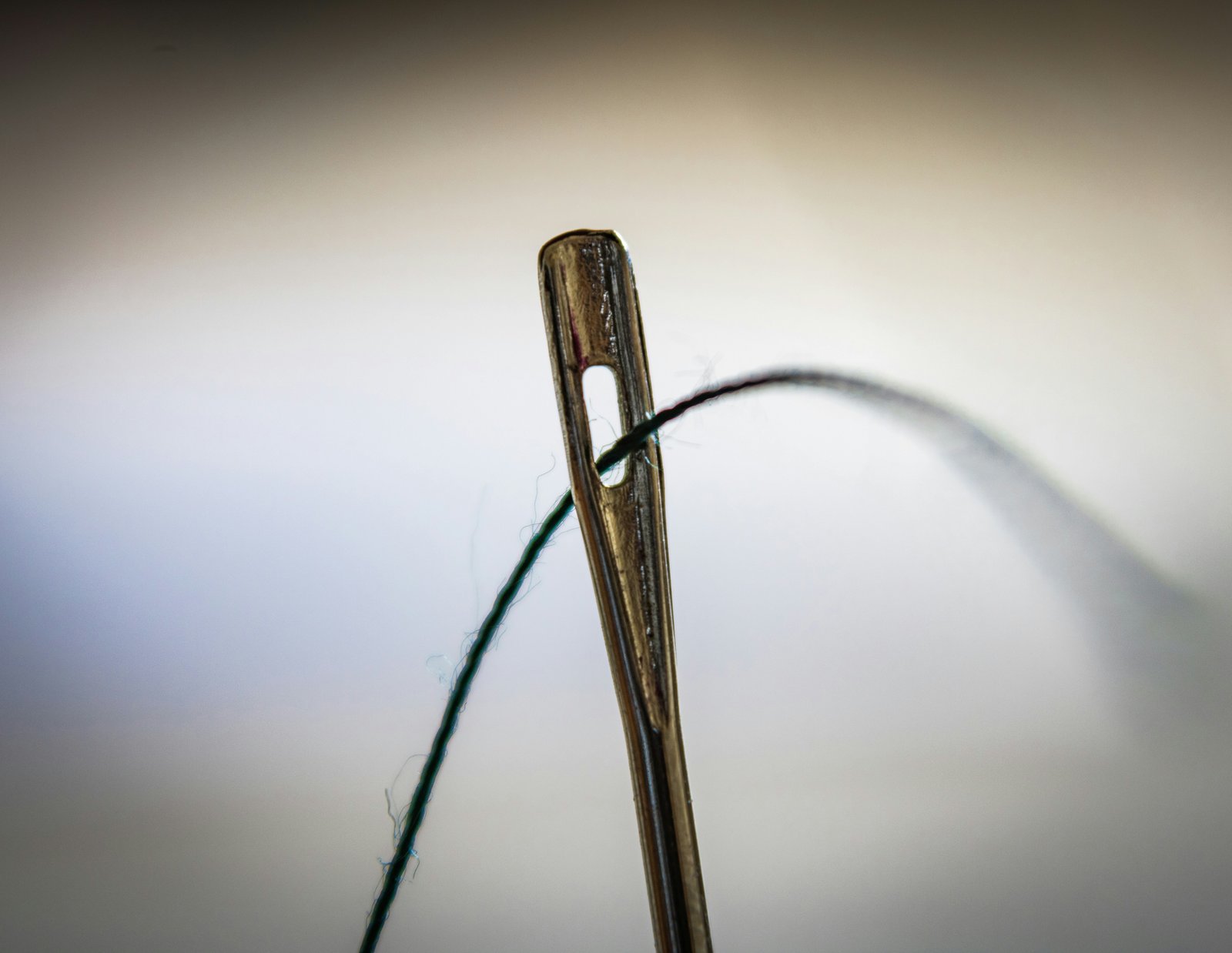 .
.
Prepare needle and thread
First of all, prepare yourself lake and thread. The color of the thread should be as close as possible to the color of the right side of the fabric. Don’t use a contrasting color thread if you want it to blend fabric. After choosing the right one, thread a single or double thread through the needle and tie a knot at the end.
Hide the node
When the product is facing outward, fold the edge inward. You should start sewing where the sewing machine stitch ends or where the tear is no longer visible. Insert the needle from the inside of the fabric to the right end and lift it up. This will hide the lump.
Start sewing
You should sew from right to left, hooking the folded edge with one stitch and a thread of the material with the other. We repeat this until we sew all the necessary area. The positive side is that the stitching should not be visible at all, while the negative side is that the thread is hidden in the fold, so it is also almost invisible.
Don’t pull the thread too much
When you pull the thread to mend the tear, do so slowly and without too much force. Pull just enough to join the two sides of the fabric. Otherwise tissue it can wrinkle and look ugly, which will ruin the overall appearance and the end result will not be as expected.
Secure the seam
To prevent the hidden seam from unraveling, you need to secure it. Secure the end of the seam by making a few stitches from left to right, under the stitches already present. You can also wrap the thread around the needle several times and pull the loop out to form a knot close to the fabric.
We hope that this article was useful to you and that it is now easier to sew a hidden seam.
Although a sewing machine is an invaluable tool in everyday life, there are situations where hand sewing is the better—and sometimes the only—option. One of the most useful hand-stitching techniques is the hidden seam, also known as the invisible seam. As the name suggests, this method allows you to join two separate pieces of fabric in a way that makes the stitches practically unnoticeable from the outside.
A hidden seam is particularly helpful when repairing items such as jackets, cushions, pillowcases, or other fabric products that have torn along a seam. Instead of leaving visible stitches on the surface, this technique allows you to restore the item neatly and professionally. It is also widely used when finishing handmade projects, especially soft toys, decorative pillows, or fabric crafts where aesthetics matter. The final opening left after stuffing a toy, for example, can be closed cleanly with a hidden stitch, making the result look polished and seamless.
The principle behind a hidden seam is simple: instead of sewing across the surface, you take small, alternating stitches from the folded edges of both fabric pieces. The needle passes through the inner folds, so the thread remains concealed. When gently tightened, the seam closes like a zipper, bringing the two edges together without exposing visible stitches.
To sew a hidden seam by hand, start by folding the raw edges of the fabric inward and pressing them flat. Thread a needle with matching thread and tie a small knot at the end. Insert the needle inside one fold so the knot is hidden, then take a small stitch on the opposite folded edge. Continue alternating sides with evenly spaced stitches. Once finished, gently pull the thread to close the seam and secure it with a discreet knot.
Mastering this simple technique ensures neat repairs and beautifully finished handmade creations.
Latest posts

How to wash, dry and care for bedding?

Curtains are an exclusive highlight of home interiors
Restless children’s sleep

Satin care: tips and guidelines
Why are satin bedding sets so popular?

Home textiles for sensitive skin
How to choose a dress model?
Baby blankets: why are they important and how to choose them?

Herbs: Natural Ways to Improve Sleep