
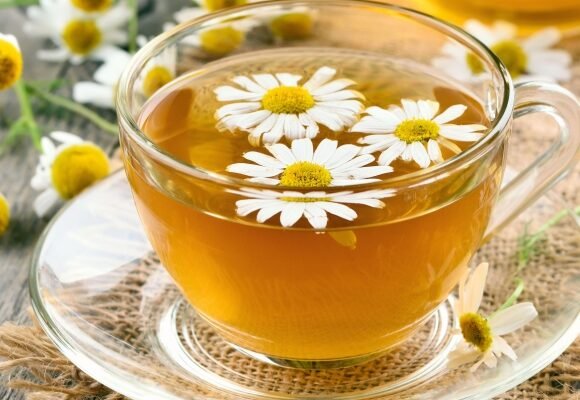
We’ve all experienced nights like this: trying our best to calm down, yet still tossing and turning until the early hours of the morning. Research shows that a simple, soothing bedtime ritual is key to quality sleep. While we all crave a relaxing bath every night, we also know that even five minutes before bed isn’t easy. The good news is: we’ve done our research and found some easy, time-saving relaxation methods for you. One of our favorites is herbal aromatherapy. Here, we’ll introduce seven natural herbs that can help improve sleep and explain how to use them better.
Lavender
A Sleep Aid
Lavender has helped people fall asleep for thousands of years. This small purple flower is one of the most commonly used herbs—it’s used to make essential oils, perfumes, massage creams, candles, and more. Its uses are wide-ranging, including relieving pain, disinfecting and deodorizing, calming the nerves, and of course, preventing insomnia.
Perfect for spraying on sheets.
Lavender also has antibacterial properties, helping to keep sheets fresh. You can mix 15-20 drops of lavender essential oil with alcohol (as an emulsifier) to make a homemade spray.
Chamomile
Ideal Relaxation Choice
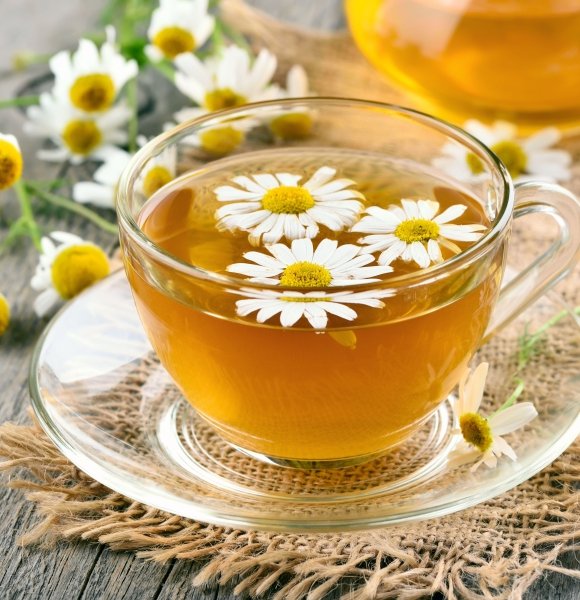
For many of us, chamomile has been a staple in our bedtime drinks. This flower has an extremely gentle yet effective calming effect. Experts call it «the world’s most calming plant,» and many also claim it prevents nightmares.
Great for Tea
Be sure to cover the container when brewing to prevent evaporation, as this will affect the tea’s efficacy. Steep for at least 10 minutes before filtering. You can also place cotton balls soaked in chamomile essential oil next to your pillow for the same effect.
Valeraria Root
Ideal Benefits: Soothes Mind and Body
Valeraria has been used as a sedative in almost every culture since the dawn of civilization, including China, India, Greece, and Rome. It is a highly effective plant (in the Middle Ages, valerian root was sometimes called a «panacea») used to treat anxiety, relieve tension, soothe muscle spasms, and more.
Best Way to Take: Tablets
Valerian has an unpleasant odor and taste, so it is recommended to take it in capsules. Take 300 to 900 mg about an hour before bedtime. If you can tolerate the smell of valerian root, you can also brew it as a tea. Studies have shown that daily use of valerian root for several weeks yields the best results. However, long-term use may lead to tolerance. Therefore, it is recommended to alternate valerian root with other herbs.
Passionflower
Suitable for: People with frequent sleep disturbances who wish to improve sleep quality.
Passionflower was approved by the U.S. Food and Drug Administration (FDA) as an over-the-counter sleep aid in 1978. Later, the FDA determined that its efficacy had not been adequately scientifically proven. Nevertheless, many people still praise passionflower as a natural sedative and effective way to improve sleep quality.
Directions: Brew as tea or make into a tincture
When brewing as tea, add 2-5 grams to a cup and drink several times a day. When making into a tincture, take 30-60 drops (0.5-2 ml) three times a day. Regardless of the method, the last dose should be taken approximately 30 minutes before bedtime.

Suitable for: Relaxation
Ylang-ylang’s aroma is said to affect the limbic system (the area that controls emotions and the nervous system). It helps relax the mind and body and lowers blood pressure.
How to use: As an essential oil
Dilute ylang-ylang essential oil with other essential oils (such as almond oil) and apply directly to the skin, or add a few drops to bath water before bed. You can also add a few drops to your sheets or bedside fabric. An aromatherapy diffuser is also a good option.
Lemon Balm
Ideal benefits: Promotes calm and relaxation, relieves anxiety
This peppermint-scented plant has been used since the Middle Ages as a mild sedative to promote sleep. Its main active ingredient is eugenol, a natural essential oil found in the leaves, which has sleep-promoting properties.
How to use: Best used with other sleep-aiding herbs (such as chamomile or valerian root).
Dried lemon balm has many uses. Brew a soothing tea with 1.5–4.5 grams of lemon balm (we recommend a blend of chamomile and lemon balm), or take 60 drops of lemon balm tincture daily.
Latest posts
How to wash, dry and care for bedding?

Curtains are an exclusive highlight of home interiors

Restless children’s sleep

Satin care: tips and guidelines
Why are satin bedding sets so popular?

Home textiles for sensitive skin
How to choose a dress model?

Baby blankets: why are they important and how to choose them?
Herbs: Natural Ways to Improve Sleep