
Sensitive skin is a common problem. It can cause unexplained discomfort, itching, and irritation. Not all fabrics are suitable for sensitive skin. Therefore, it’s essential to pay attention to fabric selection when choosing and furnishing your home. This article will provide you with some tips on choosing bedding and other home textiles suitable for sensitive skin.
Choosing comfortable home textiles that minimize the risk of skin irritation is crucial. From bedding and towels to other textiles, choosing the right fabrics and materials can significantly improve your daily comfort and well-being. In this blog post, we’ll introduce you to our selection of home textiles suitable for sensitive skin and offer some tips for creating a relaxing and soothing atmosphere. All products are available at Savashome.
Unless you have sensitive skin or allergies, fabrics should all be the same, right? But life isn’t always that simple, and choosing the wrong fabric can be very frustrating. Considering the potential effects of unsuitable fabric selection on the skin, the damage can be even more severe.
So-called hypoallergenic materials are neutral. This means that they do not cause allergic reactions. In addition, the material is generally soft and delicate, even suitable for the sensitive skin of young children. Such fabrics are made of higher quality raw materials, and the manufacturing process is more thorough.
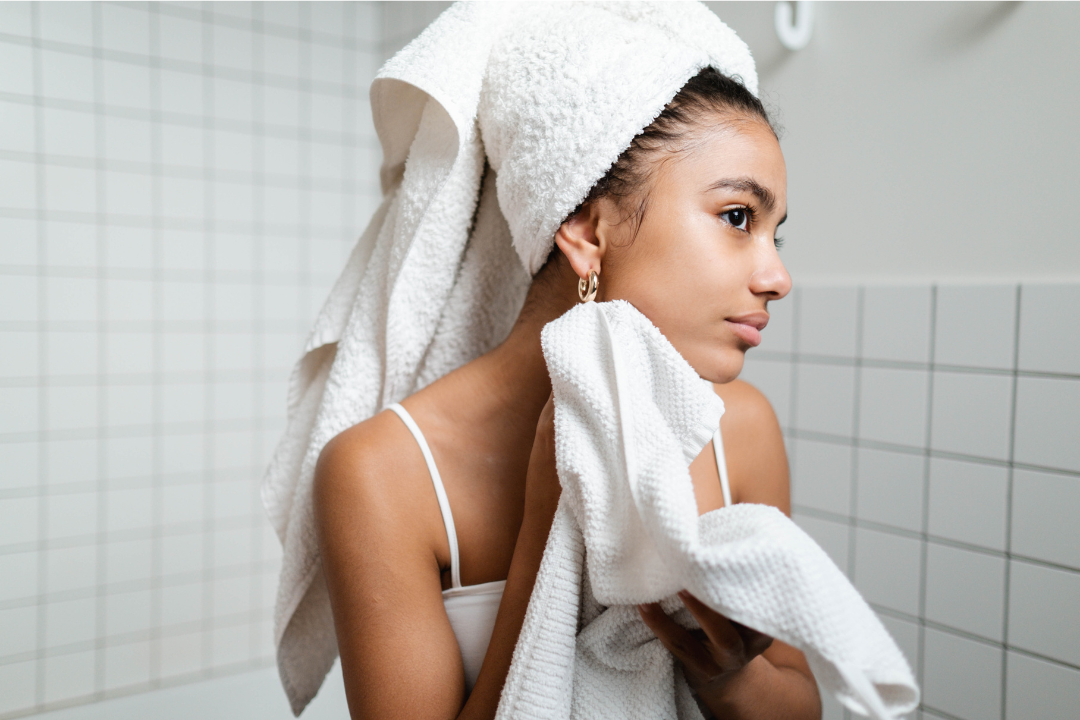
Cotton is most commonly used. It is a versatile, resistant and easy to wash fibre. Furthermore, cotton can withstand numerous washes at high temperatures, which is very important to protect against bacteria and other allergic reactions.
If you are allergic to house dust and mites, it is better to choose a thin cotton fabric. It is easy to wash, cleans well during washing and leaves no allergens.
The importance of good care
In addition to choosing fabrics suitable for sensitive skin, care is also important. First of all, remember that home textiles are not durable. Even though it looks good, it needs to be changed regularly. Although it is invisible, it is the only way to protect yourself from house dust mites, which cause many problems associated with sensitive skin.
Also, use detergents sparingly and as directed. Choose products for sensitive skin.
- Choose natural fibres:
When it comes to sensitive skin, natural fibers are usually the best choice. Cotton, linen and bamboo fabrics are breathable, hypoallergenic and gentle on the skin. Choose bedding sets, duvets and blankets made from these materials to ensure maximum comfort and reduce the risk of skin irritation or allergies.
-
Choose hypoallergenic bedding products:
Sleep is very important for sensitive skin, as prolonged contact with bedding can cause discomfort. Invest in hypoallergenic bedding products like mattress protectors, pillowcases and duvet covers specially formulated for sensitive skin. These products are often made with allergen barrier fabrics that prevent dust mites, pollen and other allergens from entering the bedding.
-
Consider organic tissues:
Organic fabrics are free from harmful chemicals, pesticides and synthetic additives, making them perfect for sensitive skin. Choose pillows, towels and bathrobes made from organic cotton or linen as they are made using environmentally friendly processes and are unlikely to cause irritation or skin reactions.
-
Enjoy soft, breathable fabrics:
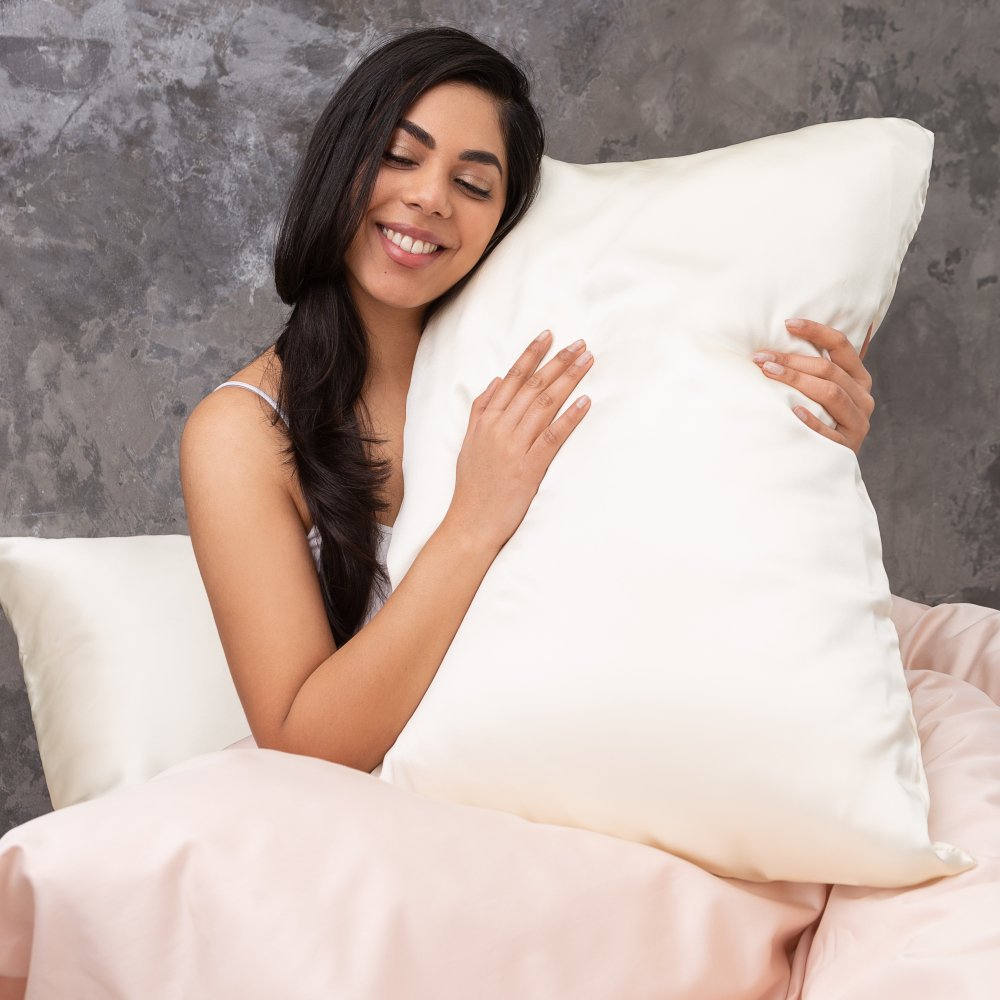
Texture is important for sensitive skin. Choose soft, breathable fabrics that touch the skin gently. Look for cotton, microfiber, or silk bedding options that provide a luxurious, comfortable experience while minimizing friction and irritation.
-
Avoid harsh chemicals:
When purchasing home textiles, check the labels and avoid products that use harsh chemicals or synthetic dyes. These substances may irritate sensitive skin. Instead, choose fabrics that claim to be free of harsh chemicals, azo dyes, and other potentially irritating additives.
- Washing with hypoallergenic detergents:
Even the friendliest skin tissue needs proper care. When washing fabrics suitable for sensitive skin, use hypoallergenic detergents that do not contain fragrances, dyes and harsh chemicals. This will help maintain the integrity of the tissue and prevent any potential irritation.
-
Clean your fabrics regularly:
Clean your home textiles regularly to remove dust, allergens and other irritants that build up. When washing sheets, towels and other fabrics, follow the manufacturer’s instructions to maintain their cleanliness and hypoallergenic properties.
Conclusion:
Creating a soothing and caring environment for sensitive skin is possible with the right selection of home textiles. Choose natural fibers, hypoallergenic options and organic fabrics for a soothing experience on the skin. By choosing soft, breathable fabrics and avoiding harsh chemicals, you can transform your living space into a comfortable oasis that promotes well-being and sensitive skin.
Latest posts
How to wash, dry and care for bedding?
Curtains are an exclusive highlight of home interiors
Restless children’s sleep

Satin care: tips and guidelines
Why are satin bedding sets so popular?

Home textiles for sensitive skin
How to choose a dress model?

Baby blankets: why are they important and how to choose them?
Herbs: Natural Ways to Improve Sleep