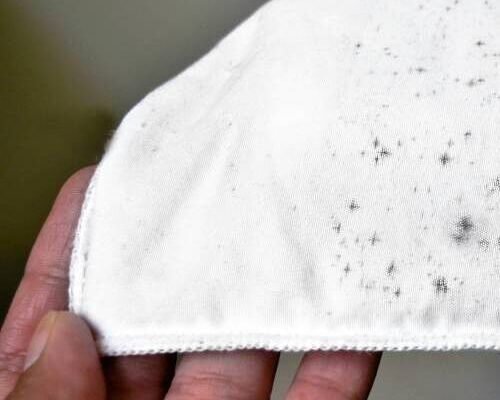
Mold in the home is a silent killer. Improper storage of fabrics, constant humidity in the house – these are some of the most common reasons for the appearance of mold. Mold, contrary to what many people think, does not only affect the walls and ceilings of the house, but also the curtains, towels or even bed linen in the wardrobe. Unpleasant mold stains with their characteristic acrid odor are difficult to remove, but not impossible: you just need to know a few ways to solve such a problem. If the damage caused by mold is not yet very extensive, i.e. the stains are not old, you can definitely try to get rid of them instead of throwing away your favorite fabric. The unpleasant mold stains must be removed as soon as possible, not only for the appearance of the disfigured garment, but above all for your health. So how do you eliminate mold damage to fabrics?
Is it possible to eliminate mold in the home while respecting the environment?
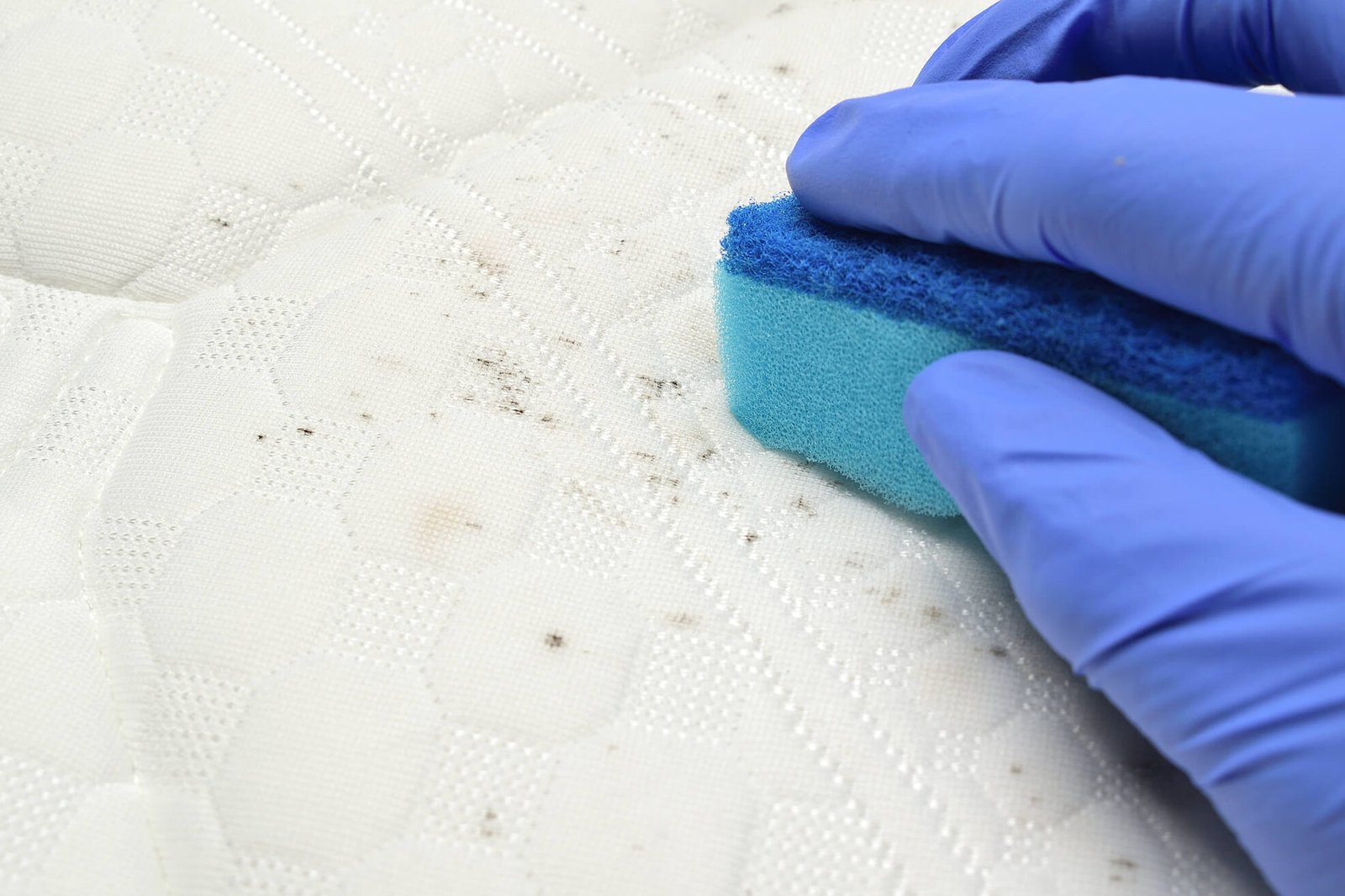
We recognize that removing mildew stains from fabrics is not an easy task: it requires patience and commitment on your part. However, it is not really necessary to immediately throw away the thing you like or resort to aggressive chemical means harmful to health. We certainly have products at home that we can use successfully and clean the stains left by mold on fabrics in an ecological way.
Before you start removing mold stains in your home, you need to use a soft brush to scrape the mold off the fabric. We recommend a used soft toothbrush (we have plenty at home to clean hard-to-reach dirt). The initial cleaning phase is followed by the use of products found at home.
Minutes
It’s probably not wrong to say that vinegar is found in every kitchen. This is a great way to remove exactly this type of dirt from fabrics. An additional advantage of this tool is its disinfectant properties. Don’t be afraid of the pungent smell of vinegar – it evaporates quickly. In a large bowl, mix cold water and vinegar (half a cup of vinegar per gallon of water). Soak the damaged tissue in the resulting liquid for about 6 hours. After this time, wash the fabric in the washing machine.
Buttermilk
This method for cleaning mold stains was probably handed down to us from our grandmothers, because back then there wasn’t a wide choice of chemical detergents. Buttermilk is a gentle way to remove mildew stains from delicate fabrics. You will need a large amount of buttermilk, at least several liters. In a large bowl, soak the stained fabric in buttermilk for at least 12 hours. After this time, rub the stains with a solution of salt and ammonia. After these procedures, wash the damaged fabric in the washing machine.
Soda
Baking soda is known as an excellent surface cleaner and whitener. Thanks to it, you will successfully eliminate the marks left by mold from white fabric. Baking soda, mixed with an adequate amount of water, forms a paste or creamy consistency. With a soft brush or sponge, apply the resulting mixture to the stains and rub gently. Leave this homemade cleaner on the stains for at least half an hour, then place the cloths in a bowl and cover with water, adding a little more baking soda. If the stain left by the mold is large or the material is thicker, extend the soaking time. After all these procedures, all that remains is to rinse the fabrics.
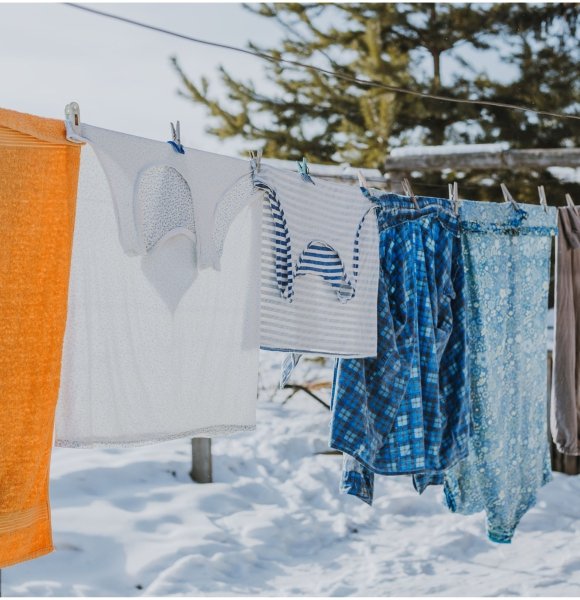
Mold is still a big problem in many older buildings, so you’re not alone in having to deal with mold stains on clothing, other fabrics, and ultimately the walls of your home. Humidity in older homes, poor closet air circulation, and little light entering closets create ideal conditions for mold to grow. Moreover, drying laundry in such a house is like digging a hole for yourself – you will only make the problem worse. If possible, we recommend drying linens and other textiles outdoors or in an automatic dryer.
Latest posts
How to wash, dry and care for bedding?
Curtains are an exclusive highlight of home interiors
Restless children’s sleep

Satin care: tips and guidelines
Why are satin bedding sets so popular?
Home textiles for sensitive skin
How to choose a dress model?
Baby blankets: why are they important and how to choose them?
Herbs: Natural Ways to Improve Sleep