Have you ever had to shorten trousers, a skirt or even a curtain without using the sewing machine? I’ll show you how to make a seamless hem, using some simple and effective methods. Whether you’re new to sewing or don’t even have a sewing machine, these tips will transform the way you approach alterations.
Why make a seamless hem
There are many reasons to hem without using a machine. Maybe you just don’t have a sewing machine or don’t know how to use it yet. Additionally, some delicate fabrics may be damaged under the pressure of the machine needle. Making a seamless hem therefore offers a practical alternative. Not only that saves timebut the result can be very professional if you follow all the steps carefully.
Save time and effort
Hemming by hand or with tape takes less time than learning to use a sewing machine, especially if you’re a beginner. These techniques also allow you to make quick changes without much preparation or tools.
Protect delicate fabrics
Some fabrics such as silk, lace or stretch fabrics can be damaged by the sewing machine. Using seamless methods ensures that these materials remain intact while achieving a clean, crisp finish.
The different methods for making a seamless hem
Here are several proven methods for a professional looking seamless hem. Each of these techniques has its own specifics and advantages, depending on the type of clothing or fabric you want to modify.
Hem with thermoadhesive tape
Iron-on tape is my favorite way to make a quick, clean hem without a needle or thread. Here’s how to do it:
- Start by measuring and marking where you want to fold the hem, using a ruler or tape measure.
- Fold the fabric into the desired position and temporarily secure with pins or clips.
- Place the iron-on tape between the folded hem and the rest of the fabric.
- Use a hot iron to press firmly onto the tape, making sure to follow the manufacturer’s instructions for temperature and time.
- Remove the pins or clips once the ribbon has cooled and check that the hem is glued securely.
This technique works great for pants, skirts, and even curtains. It is especially useful for thick fabrics like denim or those with a lot of texture.
Hem with double-sided tape
Another simple method is to use double-sided tape. Less resistant than thermoadhesive tape, it is still effective for temporary adjustments.
- Start by preparing your fabric by measuring and marking where the hem will be folded.
- Fold the fabric into the desired position and temporarily secure with pins.
- Apply double-sided tape to the inside of the folded hem.
- Press firmly so that the tape adheres well to both sides of the fabric.
- Once you’re happy with the placement, remove the pins.
This process is particularly recommended for light fabrics to medium. Avoid using it on heavy or very elastic fabrics.
Advanced techniques: improved durability and aesthetics
For those who want to achieve a more durable or aesthetically pleasing finish, some additional tips can be applied.
Reinforcement with textile glue
In addition to iron-on tape or double-sided tape, applying a thin line of fabric glue before folding the hem can provide a extra dress. This method combines the best of both worlds: speed and durability.
Discreet attachment with micro-pin
If you’re still worried about hem sagging, strategically placed invisible micro pins can strengthen the seal without injecting large visible spots. To do this:
- Fold and secure the hem with iron-on tape as described above.
- Add micropins at the corners and in the middle, making sure they are well hidden in the folds of the fabric.
This tip is especially useful for formal dresses or when you want an absolutely flawless finish.
Practical tips for creating a successful seamless hem
A few additional tips can go a long way in ensuring that your hem is not only functional but also aesthetically pleasing.
Use the iron correctly
When working with iron-on tape, your iron settings are crucial. Be sure to always test a small section of the material first to avoid burning or damaging it.
Test on a sample
Before hemming the main piece, take a small piece of identical fabric to check that your chosen method works well. This helps avoid costly mistakes, especially with precious fabrics.
Use appropriate tools
- A good thing tape measure for precise measurements.
- Sturdy pins or clips to hold pleats in place.
- A pencil or tailor’s chalk to mark the hem lines.
Adapt the hem to different types of clothing and fabrics
It is important to note that each type of clothing and fabric requires a specific approach. Here are some common examples and their appropriate techniques.
Trouser hem
For trousers, especially those made of denim or thick material, iron-on tape is often the best solution due to its great holding power.
hem of the skirt
Skirts, especially those made of light fabrics such as silk or chiffon, often benefit from a hem made with double-sided tape possibly integrated with a dot of textile glue for greater security.
Curtain hem
For curtains it is essential that the hem is strong while remaining flexible. The iron-on tape followed by a light application of textile glue can offer a very nice finish.
Common mistakes and how to avoid them
Making a list of common mistakes helps you better prepare and understand possible challenges you may face.
Incorrect measurement
An inaccurate measurement can completely ruin the hem. Double check your measurements before cutting or folding the fabric. Use a flexible tape measure for accurate results.
Poor heat management
When using your iron, be sure to adjust the temperature according to the type of fabric to avoid damage. A preliminary test on an inconspicuous corner always helps.
Underestimate the width of the hem
Too tight, a hem risks coming loose quickly; too wide, it may appear bulky. Finding a happy medium that suits your clothing style and body shape is essential.
Here are several methods and tips for creating a seamless hem efficiently and elegantly. These techniques do not require advanced sewing skills and guarantee a satisfactory result for all types of projects. Suitable for various fabrics and types of clothing, they allow you to obtain clean and durable finishes without complex equipment.
About the author

Recent articles
To feel good about your clothes and have confidence in yourself, you need to have a well-stocked wardrobe. Dresses are essential elements of a woman’s wardrobe, but…
Sewing is a passion for many, but it can quickly become expensive. That’s why I offer you here a complete guide to finding free sewing patterns in…
Welcome to the exciting world of women’s coat designs! If you’re like me, admiring a beautiful coat always makes you want to start sewing…
Latest posts

How to wash, dry and care for bedding?
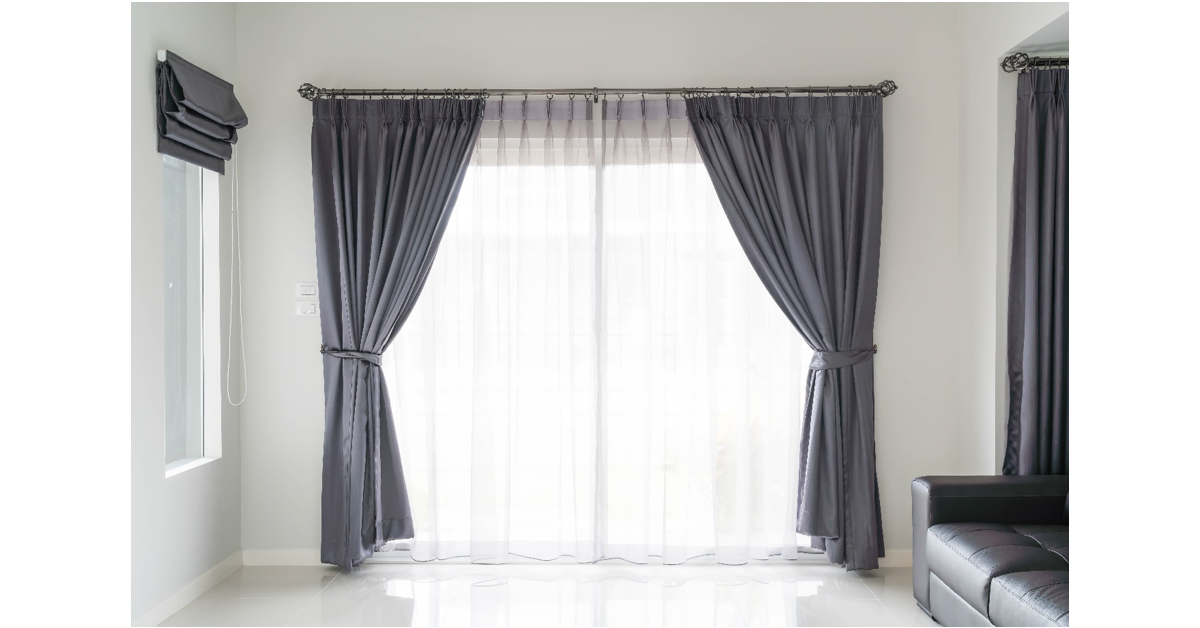
Curtains are an exclusive highlight of home interiors
Restless children’s sleep

Satin care: tips and guidelines
Why are satin bedding sets so popular?
Home textiles for sensitive skin
How to choose a dress model?
Baby blankets: why are they important and how to choose them?
Herbs: Natural Ways to Improve Sleep