

Natural materials are gaining popularity, and linen is undoubtedly one of the most sought-after fabrics. With its unique properties, linen not only adds elegance to your bedroom but also ensures ultimate comfort. Linen bedding is breathable, durable, and becomes softer with each wash. It also perfectly regulates temperature, making it ideal for both cold winters and hot summers. In this article, you’ll learn more about the benefits of linen bedding, how to care for it, and why it should be the focal point of your bedroom.
Savashome bedding is relatively easy to care for, but there are still a few things to keep in mind. If you want to invest in high-quality fabric or protect your existing bedding, then you’ve come to the right place. We’ll show you how to properly wash, dry, remove stains, and store your bedding.

How to wash bed linen?
Washing bedding is not a difficult process, but there are some rules to follow to maintain the quality of the fabric. First, read the instructions on the label before washing. We recommend washing linen covers separately or together with similar colored fabrics. Use a mild detergent and choose a warm wash cycle (around 30-40°C) to avoid shrinkage of the fabric. Avoid harsh chemicals that can damage natural fibers. After washing, it is best to air dry your bedding, but if using a dryer, set the temperature to low to avoid excessive heat exposure. With proper care, linen bedding will remain soft and durable for many years.
How often should you wash your clothes?
It is recommended to wash your bedding approximately every two weeks, but this may depend on your personal needs and sleeping habits. If you sweat a lot at night or suffer from allergies, you may want to wash it more often, once a week. Regular washing will not only keep your linens clean and fresh, but will also make them even softer as the washing process helps open up the fibres. It’s also important to note that linen bedding is naturally antimicrobial, so it’s less likely to harbor bacteria and allergens, but proper care is still essential to maintaining the quality and comfort of your bedding.
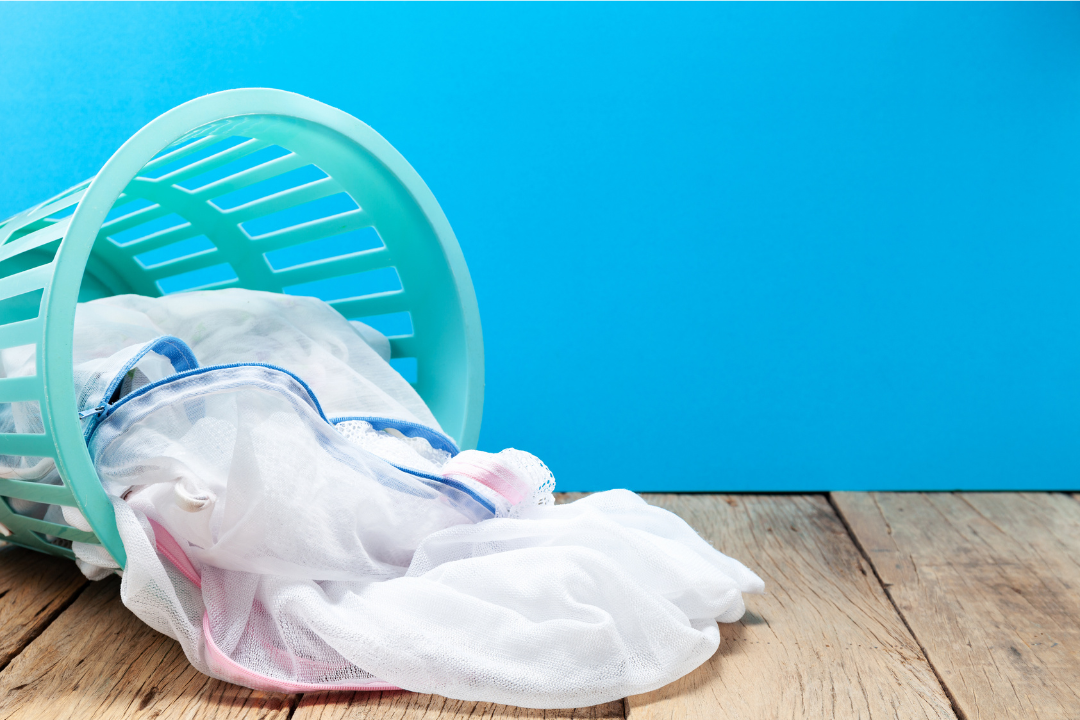
How to wash bed linen in the washing machine?
Linen bedding is easy to wash in the washing machine, but it is important to follow some rules to maintain the quality of the fabric. First, before washing, check the labels to make sure the fabric is machine washable. Place linen sheets and pillowcases in the washing machine, preferably separately or with similar colored fabrics to avoid color transfer. We recommend a gentle wash cycle and hot water (30°C to 40°C) as hot water can damage the fibres. Add a small amount of mild liquid detergent to protect the natural fibers of the linen fabric. After washing, it’s best to air dry your linens, but if you use the dryer, choose a low heat setting to prevent the fabric from shrinking.
Does laundry shrink when washed?
Yes, linen bedding may shrink slightly in the wash, just like cotton. Therefore, it is very important to follow the correct washing and drying rules to avoid unwanted shrinkage. We recommend washing your bedding in warm water, as hot water can damage the fibers and cause the fabric to shrink. Also, if you dry your sheets in the dryer, choose a low setting and try removing them while they are still slightly damp to reduce the risk of shrinkage. With proper care, bedding can maintain its shape and longevity.
How to wash clothes by hand?
Linen bedding can easily be hand washed if you prefer a more gentle care method. First fill the sink or tub with warm water to prevent the fabric from shrinking. Add a small amount of mild liquid detergent to the water and mix well to dissolve completely. Then carefully immerse the linen sheets in the soapy water and gently mix the fabric with your hands for a few minutes, avoiding twisting or wrapping it. Then remove the towels, rinse them with clean water until the soap has completely disappeared and let them dry naturally. Proper hand washing can help ensure your bedding stays soft and long-lasting.
How to dry bed linen?
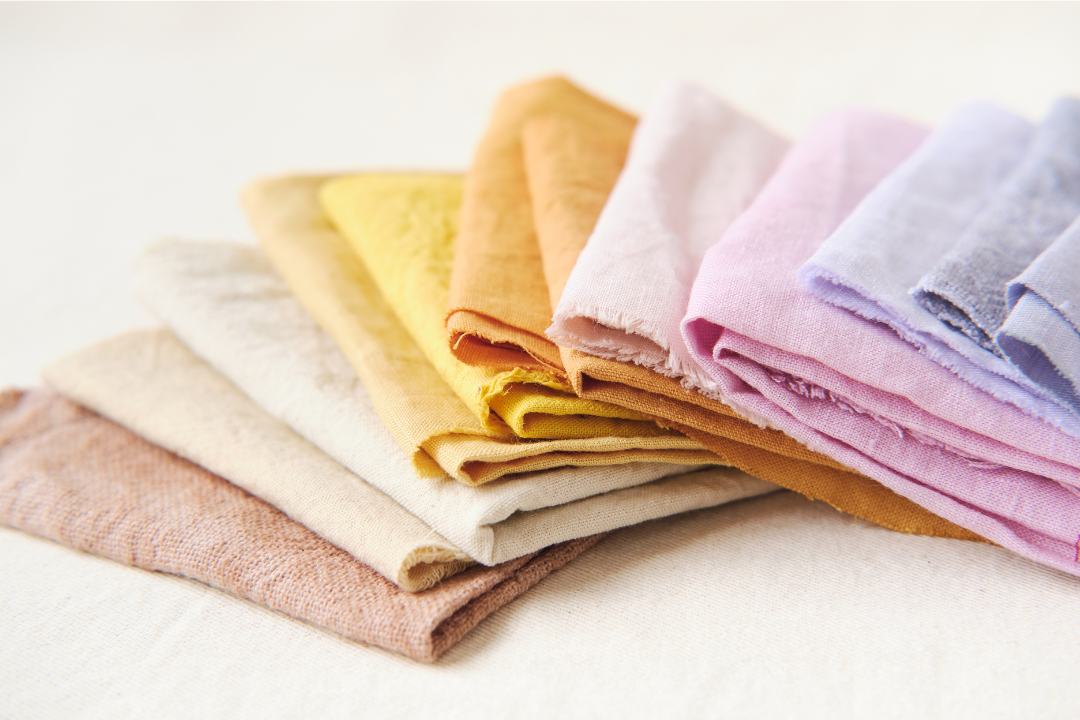
There are several ways to dry your bedding, but the best option is natural air drying. After washing, remove the sheets from the washing machine and hang them on a dryer or on a clothesline. This helps maintain the structure and durability of the fabric. If you decide to use the dryer, choose a low temperature and let it dry for no more than 15 minutes so that the fabric is slightly damp, then hang it to air. Avoid drying in direct sunlight to prevent fading. In addition, natural drying will make the linen softer and less wrinkled, making it easier to care for the bedding.
How to iron bed linen?
Ironing your linen is not necessarily a must, as this fabric naturally has a relaxed and slightly wrinkled appearance. However, if you want your bed linen to look even neater, you can iron it. First, set your iron to the lowest temperature to protect the linen fabric from damage. Before ironing, it is best to leave the linen slightly damp: this will make it easier to smooth out creases. When ironing, use an iron with a steam function, as this will help smooth the fabric more effectively. Iron the fabric with a gentle motion, avoiding excessive pressure, to maintain the texture and softness of the linen bedding.
Where to buy bed linen?
With a good understanding of how to wash sheets, you can confidently purchase a new set. If you treat your bed linen with the care it deserves, you will be able to enjoy a comfortable, welcoming and increasingly soft sleeping place for many years. Savashome linen covers, pillowcases and duvet covers are made from 100% linen.
Are you ready to experience the unparalleled texture of linen bedding? Purchase a Savashome bedding set today or order a fabric sample to experience the unique, high-quality fabric before purchasing.
Latest posts

How to wash, dry and care for bedding?
Curtains are an exclusive highlight of home interiors

Restless children’s sleep

Satin care: tips and guidelines
Why are satin bedding sets so popular?

Home textiles for sensitive skin
How to choose a dress model?

Baby blankets: why are they important and how to choose them?

Herbs: Natural Ways to Improve Sleep