For two millennia the production method was strictly hidden and betraying the secret was punishable by death, so it is no wonder why only China had a monopoly on this production for so long. For several dozen centuries, silk was a luxury good, as precious as gold, which was exported to Europe along the so-called Silk Road.
Today mulberry silk is the queen of the textile industry. Silk is one of the highest quality materials in the world thanks to its unique properties, including resistance, but also softness and delicacy. What should you know about him? How to evaluate the authenticity of silk? How to care for silk clothes? Soon you will know everything.
Silk is defined not only as a fiber of animal origin, but also as a fabric made from yarns obtained from this fiber. Mulberry is simply the English expression of the word «mulberry». The high-quality silk yarn is obtained from the cocoon of the Asian mulberry silkworm, Bombyx mori. Briefly, the cocoons are immersed in hot water, where they unravel, and then the thin thread is wound into a spool. It is estimated that one cocoon can produce 1.5 to 3 km of extremely fine, yet extremely strong silk. discussions.
In our world today, mulberry silk production represents only 0.2% of total fiber production. It is estimated that only around 50,000 tonnes of this unique natural fiber are produced each year. For comparison, approximately 27,000,000 tons of cotton are produced each year. This small quantity of silk produced is due to limited production resources: silkworm breeding only takes place in spring and lasts only two months. The high price of the fabric – mulberry silk – is influenced by the difficulty of extracting the fiber and the precise manual processing.
What are the advantages and disadvantages of mulberry silk?
Silk is a very strong, durable, elastic and flexible fiber and is also resistant to stretching. But only while it’s dry. Wet silk fabric can deform, so it should not be rubbed with hands or wrung out when washing.
Silk is also characterized by delicacy, luster, smoothness, smoothness, softness and lightness. The material is hypoallergenic thanks to its natural origin and manual processing which does not contain chemicals. Silk is also characterized by hygroscopicity, that is, the ability to absorb humidity.
Interestingly, silk fabric has a dual quality. On the one hand it is characterized by a high air permeability, so it cools down on hot summer days. On the other hand, it can keep you warm on cold evenings. Silk, as one of the fabric components of sweaters or coats, warms more than wool!
It is true that you should know that silk, like most materials, can be damaged by direct sunlight and is not resistant to moths or mold.
How to recognize real silk?
Silk is not as soft as, for example, viscose or cotton, sometimes it even resembles a synthetic material, so it can be difficult for people less exposed to different materials to recognize it simply by touching it. The best way to identify silk is to test it with fire, as is done with leather products. Silk is not flammable and smells like burnt hair.
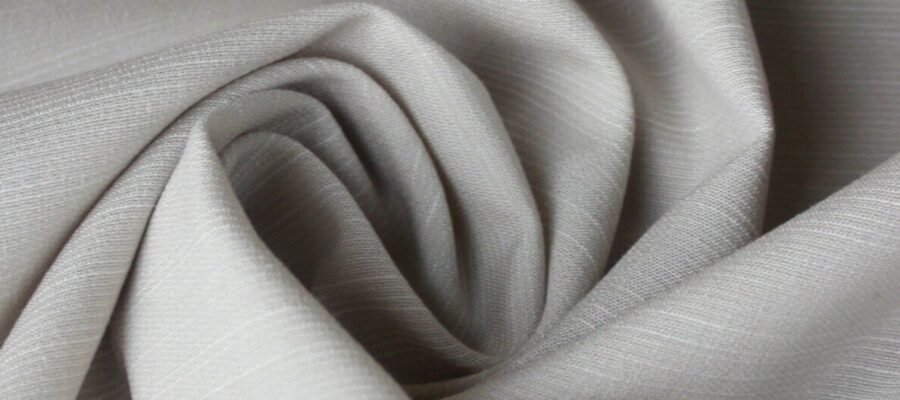
The most experienced people recognize silk by touch. The silk fabric is quite soft, but stiff and has an elegant sheen. Another way to verify the authenticity of a material is to wear it. If a silk item does not emit an unpleasant odor at the end of the day, and you felt comfortable, then you have the real silk product in your hands.
Only silk? Or is it divided by species?
The name silk comes from the food that silkworms eat. Mulberry silk is produced by moths that feed on the leaves of mulberry trees grown especially for them. When silkworm larvae eat enough of these leaves, they begin to produce cocoons. After 3-8 days, such a cocoon can be disassembled. This is then followed by the cleaning and twisting processes, carried out only with the aid of manual labor. Because Bombyx mori silkworms are fed only healthy, carefully selected white mulberry leaves, they are able to produce extremely long, strong silk threads, ideal for weaving silk fabrics. Although mulberry silk is white, it can be easily dyed.
However, there is another type of silk that is more affordable for the vast majority of people. This is ordinary silk, which you can also find in Lithuanian fabric shops. And it differs from mulberry silk basically only because it is produced by a species of wild silkworm. Since the latter are wild, no one specially grows them and feeds them with selected mulberry leaves. Instead, they feed on a variety of leaves that they find in the environment in which they evolved. It is precisely because of the diet of silkworms that the technical properties of silk differ.
The silk we offer is Italian: from the cultivation of mulberry trees to the processing of the contents of silkworm cocoons. Italians do it with attention, responsibility and trust. Their goal is to create a new 21st century Silk Road. Thick silk, silk with wool, light, sheer and opaque, crepe-based, sheer, chiffon, organic silk and much more, all directly from Italy on the new Silk Road.
How to care for silk?
The most important rule for caring for silk clothing, as with all other clothing, is to follow the recommendations on the label. But things happen in life, so labels sometimes get lost. What happens if information is missing? How to properly care for silk at home?
Silk washing
The more delicate the material, the more delicate its washing must be. Washing silk in the washing machine is definitely not the best idea. Even the most delicate washing can irreversibly damage the silk fabric. Why? Firstly due to the long-term contact of silk with water. Silk clothing should be washed for no more than 4 minutes and rinsed as short as possible. It is absolutely not recommended to use the spin function and choose a high washing temperature – it is better to do it at a temperature of 20-30 degrees.
State of the water
Pay attention to the hardness of the water, especially when washing silk satin fabrics. Hard water can damage the structure of silk and, in the case of satin, compromise its shine. The most practical idea at home would be to wash the silk in distilled water that does not contain impurities.
Which detergents to use?
Use a mild fabric detergent, simple soap, or mild hair shampoo to wash silk. Yes, yes, shampoo. Silk contains protein fibers similar to those found in our hair and skin, so shampoo would also be a suitable cleanser for silk when needed.
How to dry silk?
Since silk fabrics cannot be wrung out, remove excess water with a towel. To remove excess water, gently press the towel, which will absorb most of the moisture. Then shake the garment vigorously and hang it on a hanger without sharp edges. Avoid sunlight when drying silk – the material may fade.
Silk ironing
It is preferable to iron silk items slightly damp and inside out. Set the iron to «silk» mode, then test in an inconspicuous spot how the fabric reacts to the ironing temperature. A practical and proven idea is to iron silk covered with another natural fabric. If you have a steamer at home, it is also perfect for ironing silk.
Latest posts

How to wash, dry and care for bedding?

Curtains are an exclusive highlight of home interiors
Restless children’s sleep

Satin care: tips and guidelines
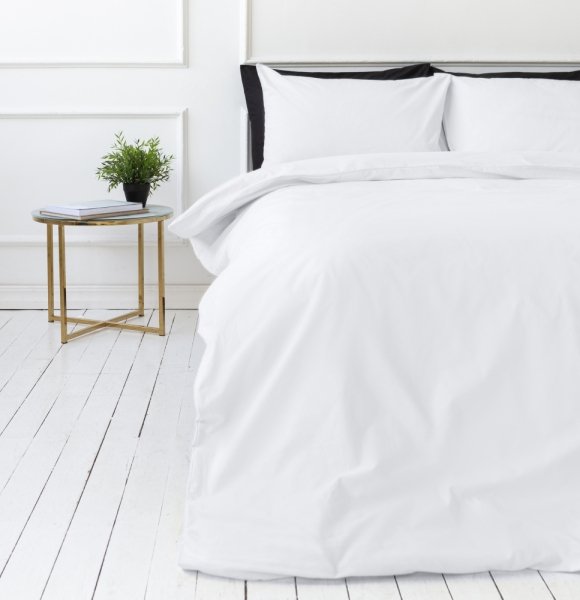
Why are satin bedding sets so popular?

Home textiles for sensitive skin
How to choose a dress model?

Baby blankets: why are they important and how to choose them?
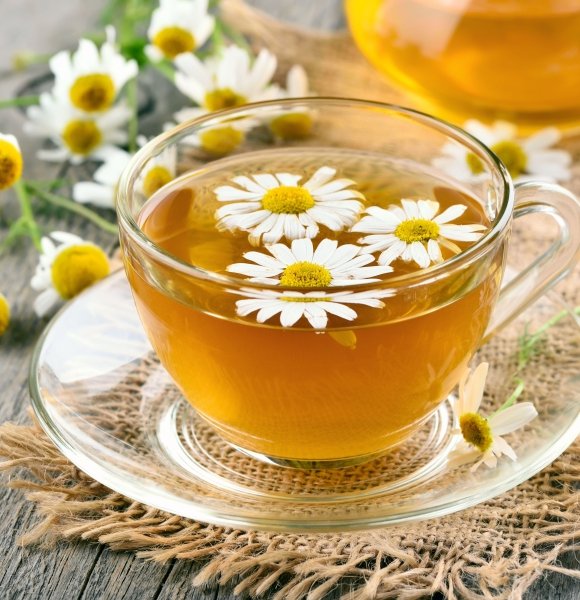
Herbs: Natural Ways to Improve Sleep