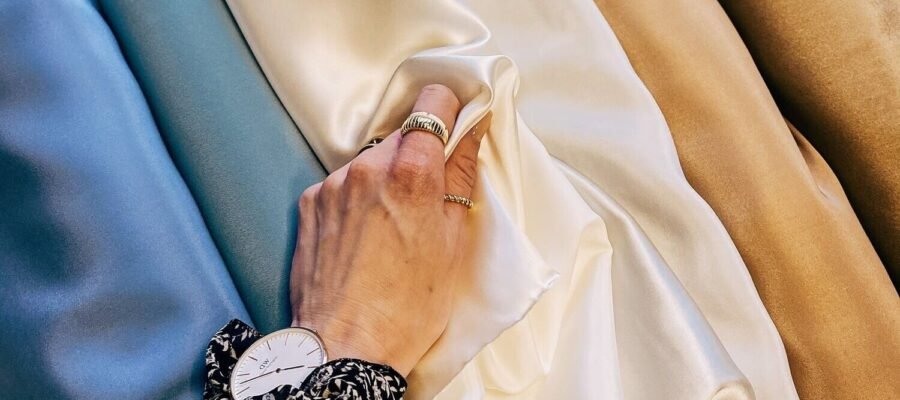
Contrary to popular belief, it is not, for example, a blend of cotton and satin or satin and polyester, it is just information about the direction in which the warp and weft threads are directed, and therefore the type of fabric. But when you touch and feel the satin, you might think it’s silk at first glance! Satin thread weave is created by the irregular weaving of warp and weft threads, where one side of the fabric is shiny and the other is dull.
Depending on the type of yarn used to make satin, it is divided into the following types:
– cotton satin, composed of cotton fibres,
– silk satin, made with natural silk,
– synthetic polyester satin.
Is satin natural?
From the types of satin, you may have already understood that satin can vary depending on the materials used in the manufacturing process. Therefore, satin can be natural or synthetic. We consider natural satin those fabrics made with natural cotton or silk fibers.
It should be emphasized that bed linen or nightwear made from natural materials, satin, is much more breathable and wicks away moisture better than synthetic material, in this case polyester. The best alternative to satin is delicate, high-quality silk. The quality of our silk is guaranteed by Italy: all fabrics are imported from almost the most fashionable country in Europe.

What are the properties of satin?
Why is satin compared to silk? Satin has an extremely smooth, smooth and very pleasant surface. This delicate fabric is mainly used for the production of clothing – sleepwear – and textiles – bed linen. Satin bed linen and nightwear is usually chosen during the spring and summer period, as this fabric gives a pleasant feeling of coolness and saves you from extremely hot summer nights. So very similar to the description of silk.
However, recently, satin has been applied not only in the bedroom. More and more often, in the windows of clothing stores and fashion houses, we can see elegant, exclusive – simply gorgeous – blouses and cocktail dresses made of satin.
The appearance of satin immediately attracts attention: thanks to the special weaving of the threads, it shines with every movement of the body. The fabric is delicate, it simply «flows» over our body adapting perfectly to it. But it is not tight, so wearing satin dresses is a pleasure. It will emphasize all the advantages of your figure and make you feel luxurious.
Wearing satin clothes prevents any skin irritation. It is delicate and airy, so it is perfect for summer: it refreshes our body, does not «stick» to the lines of the body, so the skin can breathe freely. It should also be emphasized that satin is perfect for people with allergies: it does not cause allergies, because mites do not have the opportunity to reproduce in this fabric.

How to properly care for satin clothes?
Some people avoid satin in their wardrobe, because they think that such a delicate material, like silk, requires rather complex and precise care. Meanwhile, satin care is based on a few simple rules.
First we wash at a water temperature of 30-40 degrees, choosing a program for delicate fabrics. Higher temperatures can cause the fabric to shrink. Satin clothing should be placed in special mesh laundry bags to avoid mechanical damage. When washing satin fabrics, choose gentle detergents. And so that satin does not stain other clothes, use special napkins that absorb dyes.
Satin items must be ironed inside out. The heat of the iron should not be high. It’s best to check in a hidden place to see if the fabric «sticks» to the iron.
Follow these instructions and you will have beautiful satin pieces that will last a long time in your wardrobe.

Latest posts

How to wash, dry and care for bedding?
Curtains are an exclusive highlight of home interiors
Restless children’s sleep

Satin care: tips and guidelines
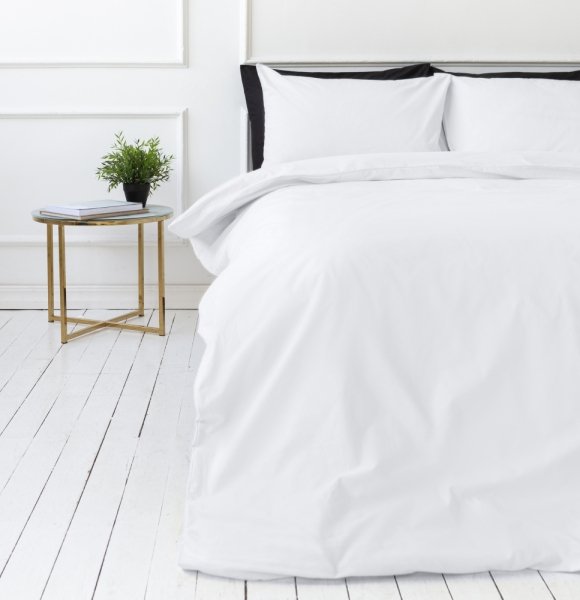
Why are satin bedding sets so popular?
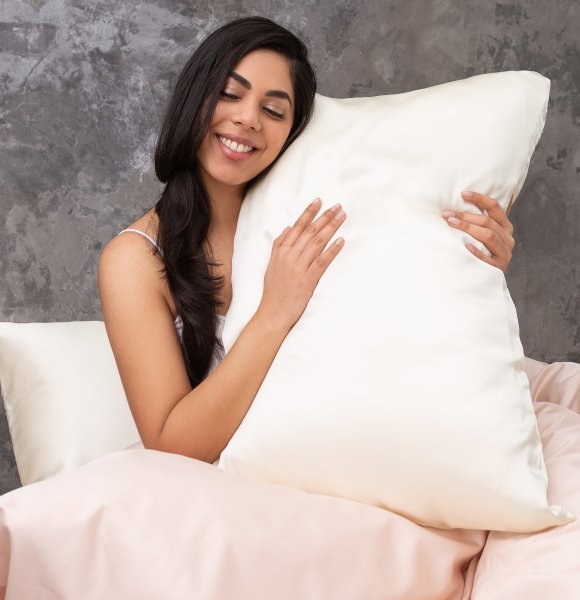
Home textiles for sensitive skin
How to choose a dress model?
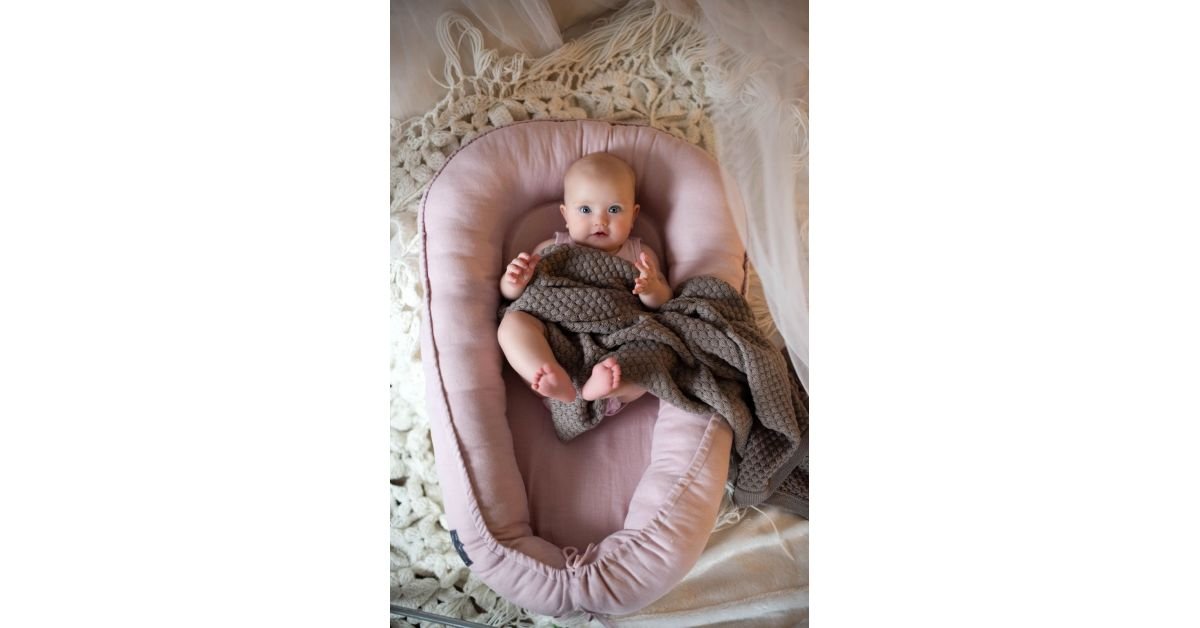
Baby blankets: why are they important and how to choose them?
Herbs: Natural Ways to Improve Sleep