For centuries, wool has been a highly sought-after material, widely used in fashion and interior design. Its natural properties, such as insulation, durability, and aesthetics, make it ideal for numerous projects. However, choosing the right weight per gram (gb/s) is crucial when selecting wool fabrics. So, how do you choose? This article will explain the meaning of yarn weight, the different types of yarn with varying gb/s, and how to select the appropriate gb/s for your needs.
What is grammar and why is it important?
Grammage is a parameter that determines the weight of the fabric per square meter (g/m²). In the case of wool, grammatical differences can significantly affect its appearance, performance and purpose. Lighter wool is perfect for outerwear in spring or fall, while heavier wool is perfect for winter or as a material for blankets and upholstery.
Choosing the right grammar is important because it affects:
Exhausting comfort: lighter fabrics are more breathable, while heavier fabrics insulate better.
Design aesthetics – a different weight will suit airy skirts, a different one – for elegant coats.
Duration and use – heavier materials are generally more resistant to damage and more suitable for utility products.
Types of wool weight
Light wool (100-200 g/m²)
Lightweight wool is a great choice for outerwear for warmer climates. Its main characteristics are breathability and delicacy, which make it ideal for:
Dresses and jackets for the spring-summer season.
- Roomy skirts and dresses.
- Summer scarves and shawls.
Lightweight wool is perfect for projects where elegance and lightness are key. However, it is a material that is more prone to wrinkles and less resistant to mechanical damage.
Medium weight wool (200-400 g/m²)
This is the most popular weight class, prized for its versatility. Such fabrics are suitable for clothing and utility products that can be worn most of the year. Medium weight is suitable for:
Coats and jackets.
- Pants and tracksuits for the colder months.
- Blankets, bedspreads and decorative pillows.
This wool weight is thick enough to keep you warm, but not too heavy at the same time, allowing for freedom of movement.
Heavy wool (over 400 g/m²)
Heavy wool is a high-density material that provides excellent protection from the cold. It is the ideal choice for winter clothing and products that require high durability. The most common applications are:
Thick coats and winter jackets.
Carpets, curtains and furniture coverings.
Blankets and blankets with exceptional thermal properties.
Heavy wool is also more resistant to wrinkling and warping, making it suitable for products that require heavy use.
How to choose the grammar of the project?
When choosing the weight of wool, it is worth considering several main aspects:
Destiny
Think about what you want to use the fabric for. If you plan to sew a light jacket, choose a light wool. On the other hand, a heavier material will work better for a winter coat.
Seasons
Lightweight wool is ideal for warmer days, while heavier wool is ideal for cold days. When buying wool for a coat or jacket, pay attention to its thermal properties and weather resistance.
Types of wool and weight
- It is worth remembering that different types of wool may differ. Examples:
- Cashmere wool: it is characterized by softness and is available in light and medium weights.
- Combed wool: Available in medium to heavy weight, ideal for warm outerwear.
- His hometown is Vilnius: often heavier, used to make coats and jackets.
Choosing the right weight of wool is key to the success of any project. From lightweight fabrics perfect for spring, to versatile midweights to heavy winter wools, each type has its own unique benefits and uses. Remember to always adjust the weight based on the purpose and conditions in which the fabric will be used.
Our store offers a wide selection of wool in various weights. If you have any questions, our team will be happy to help you choose the best material for your needs. Take a look at our offer and discover how easy it is to create something unique! Ready to shop? Visit us and find your perfect wool today!
Latest posts

How to wash, dry and care for bedding?
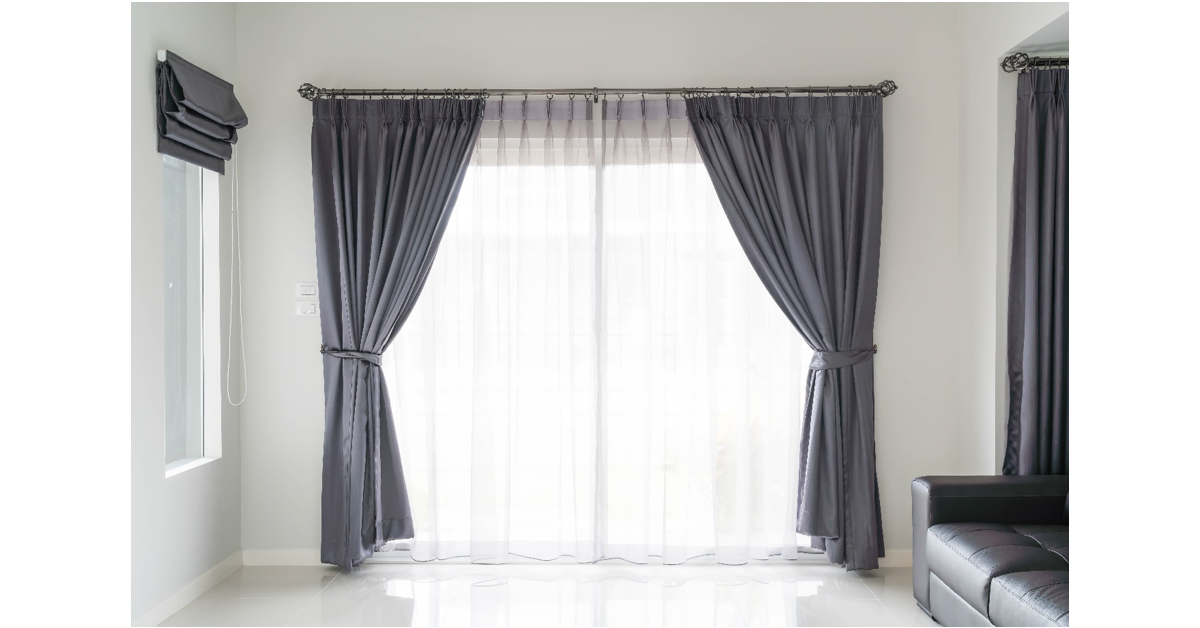
Curtains are an exclusive highlight of home interiors

Restless children’s sleep

Satin care: tips and guidelines
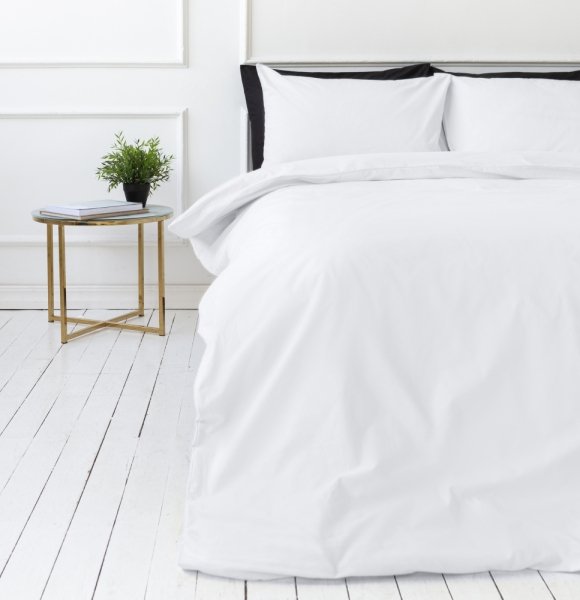
Why are satin bedding sets so popular?
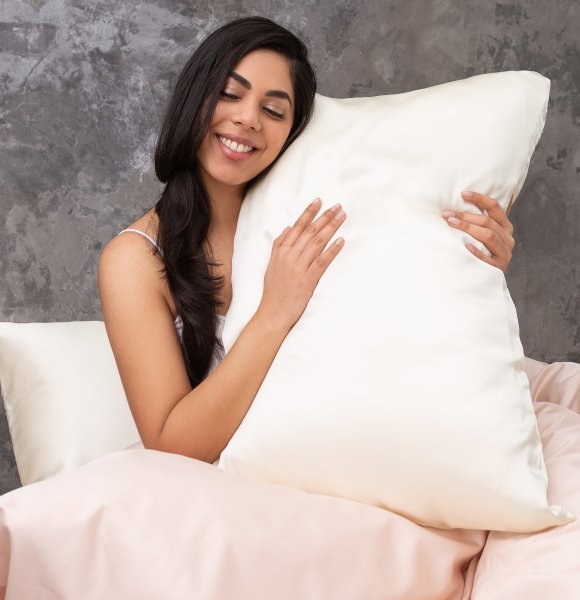
Home textiles for sensitive skin
How to choose a dress model?
Baby blankets: why are they important and how to choose them?
Herbs: Natural Ways to Improve Sleep